Knowledge Base & Technical Insights

Industrial Welding &
Compressor Articles

Discover expert tutorials, buying guides, operational tips, and industry trends on MIG/MAG, Spot welding equipment and air compressors.

0%

For global buyers, choosing a Spot Welding Machine is not simply a price comparison. It is a decision about joint strength, production stability, service access, and long-term operating cost. A reliable machine should deliver consistent current, controlled electrode pressure, accurate welding time, and repeatable results across thousands of cycles. These details matter on a busy factory floor, where loose connections, overheated tips, or uneven weld nuggets can quickly create waste.

The best manufacturers usually provide more than attractive specifications. They offer documented testing, practical technical support, spare electrodes, controller training, and clear maintenance guidance. Buyers should inspect transformer quality, pneumatic or servo systems, cooling design, safety features, and compatibility with the intended metal thickness. Ask for sample welds. Check the nugget diameter. Review production references when possible.

John C. Lippold, a respected welding engineer and educator, has described welding as “both an art and a science.” That observation remains relevant here. A machine may look impressive in a catalog, yet perform poorly when settings, materials, and operator skill do not align. This is an uncomfortable point, but it deserves attention.

Some rankings oversimplify quality.

Manufacturers also differ in customization, delivery reliability, documentation, and after-sales response. Global buyers should compare verified capabilities rather than accept broad marketing claims. The following overview examines leading Spot Welding Machine manufacturers through these practical measures, while recognizing that no supplier is perfect for every factory, material, or production volume.
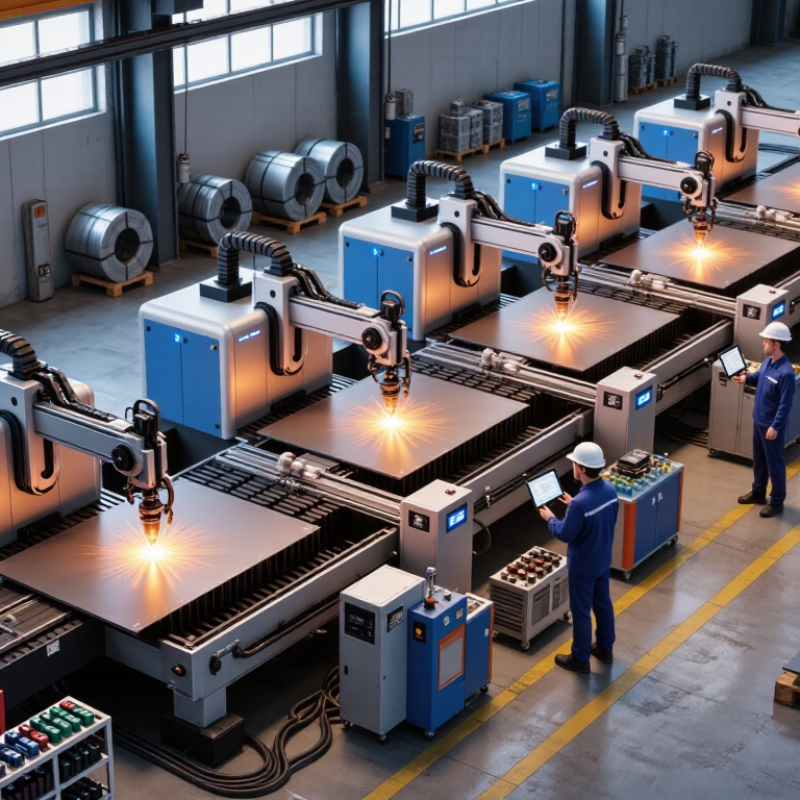
Top Spot Welding Machine Manufacturers for Global Buyers

Spot Welding Fundamentals: 10–200 kA Current, Force, and Cycle-Time Ranges

For global buyers, spot welding machine selection begins with current, force, and timing. Resistance-welding handbooks commonly place industrial welding current between 10 and 200 kA, depending on sheet thickness, alloy, and nugget size. Small assemblies may use 10–30 kA. Heavy automotive structures can require 100–200 kA. Higher current is not automatically better. It can increase expulsion, electrode wear, and power demand.

Force controls contact resistance and material stability. Typical sheet-metal systems operate around 1–10 kN, while projection welding may require substantially more. The AWS Resistance Welding Manual links suitable force to electrode geometry, material strength, and current density. ISO 5826:2023 also emphasizes calibrated force measurement and repeatable electrode movement. Real production trials matter. A calculated setting can still fail when coatings, gaps, or worn caps change the contact surface.

Cycle time is measured in line cycles. At 50 Hz, one cycle equals 20 milliseconds; at 60 Hz, it equals 16.7 milliseconds. Many steel sheet welds use roughly 6–30 cycles for squeeze, weld, and hold stages, although thicker or coated materials need longer schedules. The International Institute of Welding reports that thermal control and adaptive monitoring increasingly support consistent nugget growth. Yet the range is not universal. A 200 kA specification may look impressive, but insufficient transformer duty, cooling capacity, or force response can make it impractical. Check the boring details. They often decide uptime.

Global Buyer Standards: ISO 5826, ISO 4063, AWS D8.9, and CE Compliance

Top Spot Welding Machine Manufacturers for Global Buyers

Global buyers should treat ISO 5826 as a practical checkpoint, not decorative paperwork. It addresses resistance welding transformers, including electrical performance, insulation, and thermal behavior. Ask for rated duty cycles and temperature-rise test records. A machine that overheats during a busy shift is not production-ready.

ISO 4063 helps buyers identify the welding process correctly. Resistance spot welding should match the required process code and application. This prevents confusion between spot, seam, and projection welding. AWS D8.9 adds valuable validation through weld quality testing. Request sample coupons, nugget measurements, peel tests, and cross-sections from your intended steel grades. Test the metal. Material thickness changes can expose weak settings quickly.

CE compliance requires more than placing a mark on the enclosure. Suppliers should provide a valid Declaration of Conformity, risk assessment, technical documentation, and electrical safety evidence for applicable European requirements. Check emergency stops, guards, cable labels, and control-panel instructions during a factory acceptance test. Records matter. In my experience, buyers sometimes focus on maximum current and overlook cooling stability, electrode alignment, and spare-part traceability. That is an imperfect approach. Standards improve confidence, but they do not replace witnessed testing under real production conditions. Ask for serial-number traceability and calibration records before approving shipment.

Leading Manufacturers by Region: Asia-Pacific, Europe, and North America

Asia-Pacific has become a major production center for spot welding machines. Manufacturers in this region often offer broad model ranges and competitive pricing. Many factories support customized electrodes, transformer ratings, and automated feeding systems. Buyers should inspect weld repeatability, not only the machine’s purchase price. A live factory test can reveal unstable pressure or inconsistent current control. That practical check is worth the travel.

European manufacturers commonly emphasize engineering precision, energy efficiency, and documented quality systems. Their equipment may include advanced monitoring for weld current, force, and cycle time. This suits automotive, appliance, and safety-critical metalwork environments. However, higher specifications can increase installation and maintenance costs. I would not assume premium construction always fits every production line.

North American manufacturers often focus on robust machines, operator access, and responsive technical support. They frequently develop systems for heavy fabrication, repair facilities, and flexible production cells. Buyers should ask about spare-part availability, electrical compatibility, and local service coverage. Training quality can matter as much as hardware. A strong machine still underperforms when operators receive rushed instruction. Regional strengths overlap, and the best choice depends on material thickness, production volume, workplace skills, and verification requirements. Conversations with current users may expose weaknesses that brochures carefully omit.

Top Spot Welding Machine Manufacturers for Global Buyers

Leading manufacturing regions and industrial demand indicators

Asia-Pacific has the largest industrial demand base, supported by its leading position in vehicle manufacturing and crude steel production. Europe and North America remain important sourcing regions because of their established automotive, machinery, and industrial automation sectors. The chart uses regional production indicators rather than company or brand data.

Sources: International Organization of Motor Vehicle Manufacturers (OICA), 2023 production statistics; World Steel Association, 2023 crude steel production statistics. Values are rounded regional aggregates.

Machine Selection Metrics: Electrode Force, Duty Cycle, Automation, and Energy Use

For global buyers, selecting a spot welding machine starts with measurable performance, not impressive brochures. Electrode force controls contact resistance, indentation, and weld consistency. Too little force can create sparks and weak joints. Excessive force may squeeze out molten material. Ask for a force range, repeatability data, and calibration records. Measure the weld nugget. Small errors matter.

Duty cycle shows how long the machine can operate before cooling becomes necessary. A rating based on short pulses may not match continuous factory work. Test the machine with your actual sheet thickness, alloy, and production rhythm.

Automation also deserves careful review. Servo arms, force sensors, and programmable recipes can reduce variation, but poorly tuned controls create expensive delays.

Energy use should include transformer losses, cooling systems, compressed air, and standby demand. Request energy figures under a defined workload, not only peak efficiency claims. In my factory evaluations, a lower purchase price sometimes hid higher electricity costs.

A clean specification sheet can still mislead. Leave room for operator feedback, because real production rarely behaves like a laboratory sample. Check maintenance access, electrode replacement time, and fault reporting before approving the equipment.

Supplier Evaluation: Certifications, 2024 Market Data, Warranty, and After-Sales Support

Global buyers should assess spot welding machine suppliers beyond purchase price. In 2024, the International Federation of Robotics reported 541,302 industrial robots installed worldwide in 2023. This growth increases demand for reliable welding integration, trained technicians, and documented safety controls. Ask suppliers for valid ISO 9001 certification, electrical safety compliance, and factory test records. Certification helps, but it is not performance proof.

Market forecasts also require caution. Fortune Business Insights estimated the global welding equipment market at approximately USD 15.6 billion in 2023, with continued growth expected through 2030. Such figures show market momentum, not guaranteed machine quality. Request sample weld data, electrode-life results, cycle-time measurements, and energy consumption under your materials. A practical trial often reveals more than a polished brochure.

Warranty terms deserve close reading. A credible supplier should state coverage periods, excluded parts, response times, and replacement procedures. Two years sounds strong until consumables are excluded. After-sales support should include remote diagnostics, spare-parts availability, software updates, and local service training. Check whether engineers can respond in your time zone. The ISO Survey 2023, published in 2024, recorded more than one million ISO 9001 certificates worldwide, so certification alone cannot distinguish every supplier. I would also contact recent users and request maintenance records. Some evaluations still miss operator training, which can quietly reduce weld consistency.

FAQS

Which region may offer the widest range of spot welding machines?

Asia-Pacific suppliers often provide broad model choices and competitive pricing. Custom electrodes and automated feeding systems may be available. Test repeatability carefully.

What should buyers check during a factory demonstration?

Watch pressure stability, current control, and weld consistency. Test your actual sheet thickness and alloy. Test it live.

What are European machines commonly designed to emphasize?

They often focus on precision, energy efficiency, and documented quality systems. Monitoring may cover current, force, and cycle time. Higher specifications can increase maintenance costs.

What should buyers consider when selecting heavy-duty equipment?

Robust construction, operator access, spare parts, and local service are important. Electrical compatibility also matters. Training matters too.

Why is electrode force important?

Electrode force affects contact resistance, indentation, and joint consistency. Too little force can produce sparks and weak welds. Excessive force may squeeze out molten material.

How can a buyer evaluate electrode force performance?

Request the force range, repeatability data, and calibration records. Measure the weld nugget during testing. Small errors matter.

What does duty cycle reveal about machine performance?

Duty cycle indicates how long equipment can operate before cooling is needed. Short-pulse ratings may not suit continuous factory work. Test the actual production rhythm.

Can automation always improve welding results?

Servo arms, sensors, and programmable recipes can reduce variation. Poorly tuned controls may create costly delays. Automation helps, but not automatically.

How should energy consumption be measured?

Include transformer losses, cooling, compressed air, and standby demand. Request figures under a defined workload. Peak efficiency alone can mislead.

What details are easy to overlook before approval?

Check maintenance access, electrode replacement time, fault reporting, and operator feedback. A strong machine may underperform after rushed instruction. I would leave room for doubt.

Conclusion

This guide explains the essential principles of selecting a Spot Welding Machine for global industrial applications. It covers operating fundamentals, including welding currents from 10 to 200 kA, electrode force, pressure control, and cycle-time ranges. Buyers will also learn how ISO 5826, ISO 4063, AWS D8.9, and CE compliance influence equipment safety, quality, documentation, and international acceptance.

The article compares manufacturing capabilities across Asia-Pacific, Europe, and North America without focusing on individual brands. It presents practical selection criteria such as electrode force, duty cycle, automation level, repeatability, energy consumption, control systems, and maintenance requirements. A structured supplier evaluation process is also included, covering certifications, 2024 market data, warranty terms, spare-parts availability, technical training, installation support, and after-sales service. These considerations help purchasers identify reliable equipment that meets production demands, regulatory expectations, and long-term cost objectives.


Amelia

Amelia

Amelia is a professional marketing specialist with a strong understanding of customer needs, market trends, and the practical value of the company’s products. With a background in product communication and content strategy, she regularly updates the company’s blog with informative articles that......