Knowledge Base & Technical Insights

Industrial Welding &
Compressor Articles

Discover expert tutorials, buying guides, operational tips, and industry trends on MIG/MAG, Spot welding equipment and air compressors.

0%

Choosing a Resistance Welding Machine is less about buying the biggest unit and more about matching its controls to the joint, material, and production rhythm. Resistance welding creates a bond through electrical current and pressure, often in seconds. On a shop floor, that can mean repeatable spot welds on sheet metal, less filler handling, and fewer steps between fixtures. The details matter. Electrode condition, fit-up, current, and weld time can all affect consistency.

The International Federation of Robotics reported 541,302 industrial robots installed worldwide in 2023, in its World Robotics 2024 report. That figure describes factory automation broadly, not resistance welding alone, but it shows why repeatable joining processes matter to modern production. Professor Sindo Kou, author of Welding Metallurgy, offers relevant technical guidance; paraphrased, his work highlights how heat flow and material behavior shape weld quality. This is not a verbatim quotation. A machine cannot compensate for poor joint design. Nor does automation guarantee sound welds. That is easy to overlook.

A well-chosen Resistance Welding Machine can help manufacturers achieve consistent joints, control cycle times, and reduce reliance on consumables. Still, the right choice depends on the application. Compare power capacity, force control, electrode access, monitoring features, and maintenance needs against actual production samples. Test the joint. Review the results. Then decide.
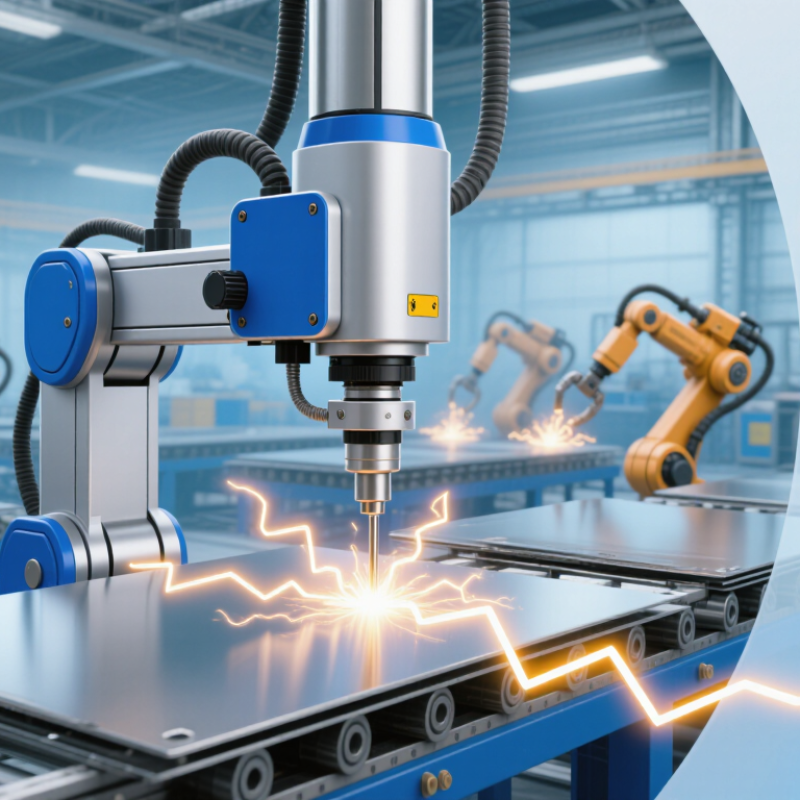
Why Choose a Resistance Welding Machine?

What Is Resistance Welding and How Does It Work?

Resistance welding joins metal parts by passing electric current through the contact area while mechanical force holds them together. Electrical resistance creates localized heat, especially where the two surfaces meet. The heat softens or melts a small region; pressure then helps form the joint as it cools. In spot welding, copper-alloy electrodes clamp overlapping sheets, deliver a timed current pulse, and release the parts. No filler metal is usually needed. The weld cycle is brief.

Weld quality depends on current, pulse duration, electrode force, material thickness, and surface condition. Too little heat may leave a weak bond; too much can cause metal expulsion, deep marks, or electrode wear. Operators often inspect sample joints and monitor settings, since a clean surface alone does not prove strength. The process suits repeatable sheet-metal assembly, from small enclosures to vehicle structures. It has limits, though: parts need suitable electrode access, and dissimilar metals may require careful development. Tip wear, oil, or scale can also shift results. A small change in electrode alignment can alter the weld.

Which Materials and Joint Types Can It Weld?

Resistance welding suits many production metals, but thickness, coatings, and fit-up shape the result. Low-carbon steel is usually straightforward for spot and seam welding. Stainless steel can also be resistance-welded, though heat control matters to limit discoloration and distortion. Galvanized steel is common in overlapping sheet joints, but its coating can affect electrode wear and weld settings. Aluminum is weldable too; its high electrical conductivity often calls for greater current and carefully controlled timing. Copper alloys are possible, but their conductivity makes consistent heating more demanding.

Joint design matters just as much. Spot welds join overlapping sheets at individual points; seam welds use rotating electrodes for a continuous or intermittent line. Projection welding concentrates force and heat around formed bumps, nuts, or brackets. Butt and flash-butt welding suit aligned rods, wires, and some tube sections. The World Steel Association’s World Steel in Figures 2025 reports 1,882.6 million tonnes of crude steel production in 2024—a useful measure of steel’s industrial scale, not proof that every grade welds alike. The AWS Welding Handbook gives process guidance, but shop trials still matter. Small gaps can change nugget size. And mixed-metal stacks need careful validation.

What Advantages Does Resistance Welding Offer?

Resistance welding creates heat where metal parts meet, using electrical current and pressure rather than an open flame. The short cycle can make it faster than many joining methods. In a production line, repeatable timing and force help produce consistent welds across a large batch. The process often needs no filler metal, which reduces consumable handling and leaves little spatter around the joint.

That matters on a shop floor. An operator can inspect a row of small spot welds without removing excess material, and automated equipment can repeat the same sequence with steady pressure. The method suits many sheet-metal assemblies, including overlapping panels and brackets. No filler is needed. It can also limit distortion because heat stays concentrated near the weld, though results depend on material, thickness, and setup.

There are trade-offs. Electrode tips wear and need regular inspection; dirty surfaces or poor alignment can weaken a weld. That detail is easy to underestimate. Resistance welding is not automatically the best choice for every joint, especially when parts vary greatly in thickness or access is restricted. A practical setup test, followed by checks on weld appearance and strength, helps confirm that the process fits the actual job.

Why Choose a Resistance Welding Machine? - What Advantages Does Resistance Welding Offer?

Advantage How It Works Practical Benefit Important Consideration
Fast weld cycles Electric current generates heat at the joint while electrodes apply pressure. A spot weld can often be made in a short cycle. Supports high-throughput production, especially for repeated sheet-metal joints. Total cycle time also includes part positioning, electrode movement, and cooling or handling steps.
No filler metal required The workpieces are joined by heat generated from electrical resistance and by applied force. Avoids filler-wire or filler-rod handling for many resistance-welding applications. The joint design and material combination must be suitable for resistance welding.
Localized heating Heat is concentrated mainly in the contact region, with electrodes conducting current and applying force. Can limit heating of surrounding material compared with processes that heat a larger area. Heat-affected zones and distortion can still occur; results depend on settings, materials, and part geometry.
Easy to automate Electrode force, current, and weld time can be controlled and repeated by production equipment. Works well in fixtures and automated production lines where joint locations are consistent. Consistent results require suitable fixturing, process monitoring, and regular equipment maintenance.
Suitable for overlapping sheet joints Spot welding forms a weld at the contact area between overlapping sheets; seam welding can produce a series of overlapping welds. Useful for sheet-metal assemblies such as enclosures, panels, and vehicle body components. Electrode access is needed on both sides for many spot-welding setups, and the joint is typically a lap joint.
Repeatable weld formation A programmed sequence controls factors such as current, weld time, and electrode force. Helps produce consistent welds across repeated parts when the process is properly set up. Electrode wear, surface condition, fit-up, and material thickness can affect weld quality.
Multiple process options Resistance welding includes spot, seam, projection, and resistance butt-welding processes. Different process types can address different joint shapes and production requirements. The appropriate process depends on material, thickness, joint design, access, and production needs.

Where Are Resistance Welding Machines Commonly Used?

Resistance welding machines are most visible in automotive plants. Spot-welding electrodes clamp overlapping metal sheets, then pass current through a small contact area. The result is a quick, repeatable joint without filler metal. On a body-in-white line, hundreds of weld points can secure door panels, seat frames, and structural sections. IEA’s Global EV Outlook 2024 reports nearly 14 million electric cars sold worldwide in 2023. That figure reflects the scale of vehicle manufacturing, not resistance-welding demand specifically. Still, it helps explain why dependable joining processes matter on busy production lines.

The machines also serve appliance factories, HVAC shops, wire-mesh production, and metal furniture workshops. They suit repetitive joints in thin sheet, rod, or mesh, especially when parts can be held firmly between electrodes. Fast cycles. Consistent results. In automated facilities, welding heads can be integrated into robotic cells; IFR’s World Robotics 2024 reports 4.28 million industrial robots operating worldwide in 2023, across all industries, not welding alone. Resistance welding is not a universal fix. Uneven coatings, poor fit-up, or worn electrodes can weaken a joint, so operators still need to check samples and maintain tooling. The process can look simple. The details are not.

What Factors Should Guide Machine Selection?

Why Choose a Resistance Welding Machine?

What Factors Should Guide Machine Selection?

Choosing a resistance welding machine starts with the joint, not the catalog. Identify the materials, sheet thickness, overlap, and required weld pattern. A thin stainless bracket may need different pressure and timing from a thicker steel assembly. Consider expected output too: a machine suited to occasional repairs may struggle during a long production shift. Fit matters.

Check the available power, electrode shape, force range, and control settings. These affect weld consistency and how easily operators can repeat a proven setup. Ask about duty cycle, electrode replacement, and access to routine maintenance. A specification sheet can make two machines look nearly equal; on the shop floor, setup time may decide otherwise. It is easy to overvalue peak output and overlook changeover needs.

Tips: Test sample parts using your actual materials and thicknesses. Record settings, inspect the welds, and compare repeatability across several cycles. A trial cannot predict every production issue, but it can reveal poor access or unstable results early.

FAQS

What is resistance welding?

It joins metal parts with electric current and pressure. Resistance creates heat where the surfaces touch. The weld cycle is brief.

How does spot welding work?

Copper-alloy electrodes clamp overlapping sheets and send a timed current pulse. Pressure helps form the joint as it cools. No filler is usually needed.

Which metals can resistance welding join?

Low-carbon steel is commonly used. Stainless and galvanized steel can also be welded, with attention to heat and electrode wear. Aluminum and copper alloys need careful settings.

What joint types suit resistance welding?

Spot welds join sheets at separate points. Seam welding makes a continuous or intermittent line. Projection welding concentrates heat around formed bumps, nuts, or brackets.

What affects weld quality?

Current, pulse duration, electrode force, thickness, and surface condition all matter. Oil, scale, or a small alignment change can affect the result.

What are the main advantages?

Short cycles suit repeatable production. Heat stays near the joint, which can limit distortion. There is little spatter.

What are the limitations?

Parts need suitable electrode access. Uneven thickness or mixed-metal stacks can require extra development. That detail is easy to underestimate.

How can operators check a weld?

Inspect sample joints and monitor machine settings. Check appearance and strength, since a clean surface alone does not prove a sound bond. Still, tests take time.

Conclusion

A Resistance Welding Machine joins metal parts by passing an electric current through the contact area while applying pressure. The resistance between the parts generates heat, forming a bond without requiring filler material in many applications. This method works with a range of conductive metals and supports joint types such as spot, seam, and projection welds, depending on the machine and workpiece design.

Resistance welding offers fast cycle times, consistent results, and efficient use of energy and materials, making it suitable for high-volume production. It is commonly used in automotive manufacturing, appliance production, metal fabrication, and other industries that rely on repeatable metal joints. When selecting a machine, consider the metals and thicknesses to be joined, the required weld type and production rate, available power, control features, and ease of operation and maintenance. Matching these factors to the application helps ensure reliable weld quality and efficient production.


Amelia

Amelia

Amelia is a professional marketing specialist with a strong understanding of customer needs, market trends, and the practical value of the company’s products. With a background in product communication and content strategy, she regularly updates the company’s blog with informative articles that......