
Comprehensive Technical Whitepaper: CE Certified Cutting Machine Sourcing & Manufacturing Engineering
The global metal fabrication landscape is undergoing a structural transition toward high-speed, automated, and low-energy thermal cutting solutions. As structural steel engineering, shipbuilding, railway car manufacturing, and automotive chassis fabrication demand tighter dimensional tolerances, industrial procurement teams are increasingly focusing on CE Certified Cutting Machine Factories & Exporters capable of meeting strict international standards.
This technical whitepaper provides an exhaustive analysis of plasma cutting physics, safety compliance frameworks under European directives, machinery architecture benchmarks, and strategic procurement frameworks for enterprise B2B buyers.
1. Regulatory Compliance Frameworks: Demystifying CE Certification
CE marking is not merely a commercial passport for the European Single Market; it represents a comprehensive engineering audit verifying electrical safety, mechanical structural integrity, and electromagnetic compatibility. When evaluating thermal cutting machinery exporters, procurement directors must verify compliance against two primary Harmonized European Standards:
- EN 60974-1 (Arc Welding and Cutting Equipment - Part 1: Welding Power Sources): Governs thermal protection, insulation resistance (Class H rating), degree of protection (IP21S / IP23 rating), heating tests, and electrical shock prevention under heavy open-circuit voltages.
- EN 60974-10 (Electromagnetic Compatibility - EMC Product Standard): Mandates rigorous emission and immunity limits. Class A equipment is designed for industrial grids, while Class B ensures non-interference with public low-voltage power supply networks.
- Directive 2006/42/EC (Machinery Directive): Standardizes emergency stop circuit architecture, physical guarding against gantry pinch points, and human-machine interface safety interlocks.
2. Physics of Inverter Air Plasma Cutting & CNC Gantry Integration
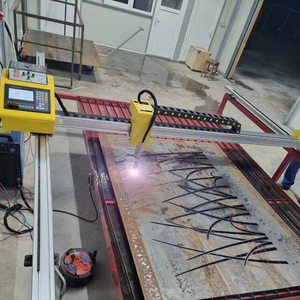
Plasma cutting operates by ionizing compressed air or specialized gases (such as Nitrogen, Oxygen, or Argon-Hydrogen mixtures) into a superheated gas column reaching temperatures exceeding 20,000°C. When forced through a constricted copper nozzle orifice, the high-velocity plasma stream melts the workpiece while blow-off pressure ejects the molten slag, creating a clean kerf line.
Key technical parameters influencing cut quality include:
- Transferred vs. Non-Transferred Arc Kinetics: Heavy industrial cutting utilizes a transferred arc where the main electrical circuit flows directly between the internal tungsten electrode (-) and the metallic workpiece (+), maximizing energy density.
- Duty Cycle Ratings at 40°C Ambient: Industrial-grade machines manufactured by leaders like Canary Electricals (Vulcan brand) are rated for 60% to 100% duty cycles at maximum output amperage, validated under extreme thermal environments rather than lenient room-temperature testing.
- Kerf Width & Heat-Affected Zone (HAZ): High-definition plasma torch geometry narrows the arc plasma column, reducing the HAZ to under 0.5mm on structural carbon steel plates, preventing material grain structure degradation.
3. Technical Specification Matrix: Portable, Gantry, & Desktop Plasma Cutters
To assist OEM purchasing teams and factory operations managers in selecting the optimal cutting equipment, the table below outlines standardized technical benchmarks across market-leading product categories:
| Machine Category | Nominal Amperage Range | Recommended Severance Cut | Optimal Cut Speed (Mild Steel 10mm) | CNC Drive Architecture | Primary Industrial Application |
|---|---|---|---|---|---|
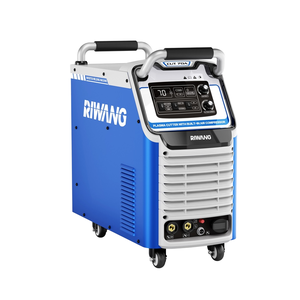
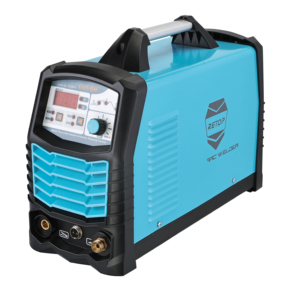
| Portable Inverter Plasma (e.g., CUT-40 / CUT-70A) | 20A – 70A (Single/3-Phase) | 12mm – 25mm | 450 mm/min | Manual / Track Mountable | On-Site Maintenance, HVAC Ducting, Auto Repair |
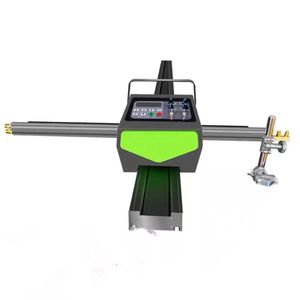
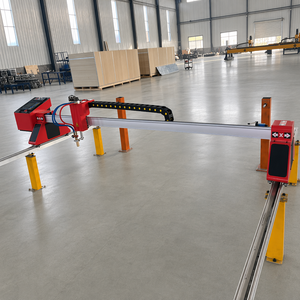
| Mini Gantry CNC Cutter (Model 1530) | 100A – 200A (3-Phase) | 25mm – 45mm | 1,200 mm/min | Dual-Rail Bilateral Stepper / Rack-Pinion | Medium Sheet Fabrication, Structural Steel Joints |
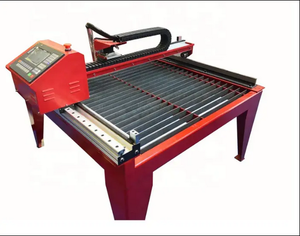
| Desktop Workbench CNC Cutters (1325 / 1560) | 60A – 120A (3-Phase) | 15mm – 30mm | 1,800 mm/min | High-Precision Ball Screw / Hybrid Servo | Precision Electrical Enclosures, Custom Brackets |
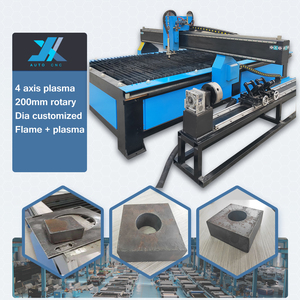
| Heavy Industrial Water Table CNC (200A Output) | 120A – 200A (Heavy Duty) | 40mm – 50mm | 2,100 mm/min | AC Servo + Planetary Gearbox + Water Slag Bed | Shipbuilding, Heavy Earthmoving Equipment, Pressure Vessels |
4. Total Cost of Ownership (TCO) & B2B Procurement Risk Management
When procuring industrial machinery from overseas exporters, evaluating initial capital expenditure (CAPEX) in isolation is a critical strategic error. Enterprise buyers must account for Operational Expenditure (OPEX) across a 5-to-10-year asset lifecycle.
The TCO equation for thermal cutting equipment consists of:
Exporters like Canary Electricals design systems with heavy copper-wound transformers and premium IGBT modules that dramatically reduce power factor losses (cos φ ≥ 0.92). High power efficiency reduces power grid surcharges and heat dissipation requirements in large-scale industrial plants.