CE Certified Power Rectifier Manufacturer & Suppliers
Industrial-Grade High-Current AC to DC Power Rectifiers, Thyristor Modules & Telecom Rectification Systems
Featured Industrial Power Rectifiers & Conversion Modules
Explore our CE-compliant direct current (DC) power supplies, thyristor switch-mode rectifiers, and high-efficiency telecom modules designed for heavy electrolysis, electroplating, EV charging stations, and industrial infrastructure.
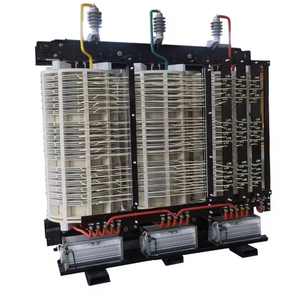
Low Voltage High Current Rectifier Transformer ZBS 12V 24V DC Power Supply for Electroplating Galvanizing Electrolysis
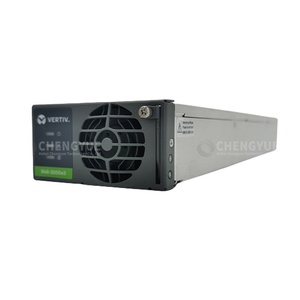
Vertiv Emerson High Efficiency 48V 3000W Telecom Power Supply Module R48-3000E3 Rectifier
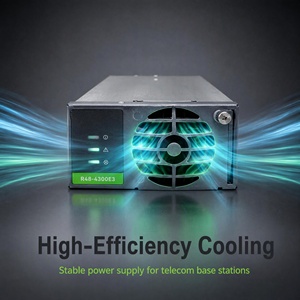
R48-4300E3 Rectifier Module 48VDC 4300W High-Efficiency Power Supply Unit for Base Station Communication Cabinet Power
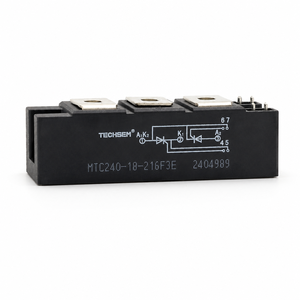
240A Thyristor Module SCR Rectifier Power Module 800V 1000V 1200V 1400V 1600V 1800V for AC DC Motor Drive
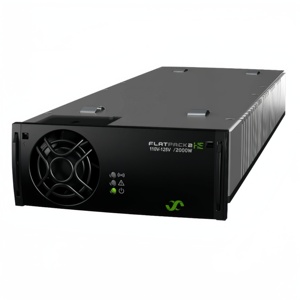
FLATPACK2 110-125V Telecom Power Rectifiers 110VDC/2000W High Efficiency & 110-120VDC/20A High Efficiency
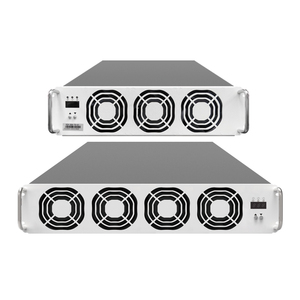
40KW AC DC Constant Power Module Rectifier for Fast EV Charger Station Support OCPP with CE Certification
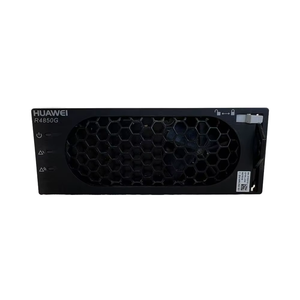
R4850G2 Rectifier Module for Telecom Power Supply and Reliable System Including R4875G1 High Density Power Converter
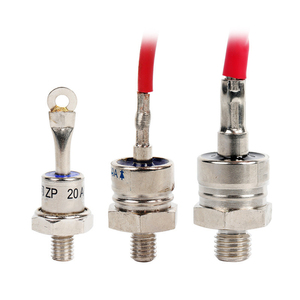
ZP200A 1600V Rectifier Spiral High Power Alternator Rectifier Diode Two Poles Structural Assembly
Established in 1980 by industry pioneers Mr. P. M. Vadalia and Late R. A. Patel, Canary Electricals Pvt. Ltd. (operating under the global brand flagship Vulcan) has grown into an international powerhouse in high-current power electrical equipment. Headquartered in Morbi, Gujarat, India, under the leadership of Managing Director Mr. Deepak P. Vadalia, the enterprise has spearheaded advanced research in solid-state power conversion, step-up transformers, and heavy-duty AC-to-DC power rectifiers.
In demanding industrial environments—ranging from dusty mining installations and high-ambient temperature chemical plants to continuous electrodeposition facilities—standard power rectifiers often fail due to thermal fatigue, voltage fluctuation stress, and inadequate harmonic filtering. Canary Electricals engineered its power rectifiers to overcome these vulnerability vectors. Every unit produced within our ISO 9001:2015 certified facilities undergoes rigorous load-bank simulation, insulation breakdown tests, and high-frequency thermal imaging validation before international dispatch.
Engineering Insight (Information Gain): Modern industrial procurement requires more than basic AC-to-DC conversion. It demands dynamic response, minimum ripple factor (<1%), high power factor correction (PFC > 0.99), and strict compliance with European CE standards (Low Voltage Directive 2014/35/EU and EMC Directive 2014/30/EU).
Technical Whitepaper: Industrial AC-to-DC Power Rectifier Architectures
Selecting the optimal power rectifier topology is critical to optimizing operational expenditure (OPEX), reducing total harmonic distortion (THD) on the AC mains, and ensuring precise electro-chemical process control. Power rectifiers generally fall into three structural categories: Thyristor Phase-Controlled Rectifiers (SCR), High-Frequency Switch-Mode Power Supplies (SMPS), and Diode-Based Spiral Assemblies.
Switch Mode (SMPS) Modules
Utilizing high-frequency pulse-width modulation (PWM) with SiC/IGBT switches, SMPS rectifiers achieve up to 96.5% efficiency. Ideal for telecom cabinets (e.g., 48V R48-3000E3, R48-4300E3) and EV fast-charging stations (40KW OCPP modules).
Thyristor SCR Rectifiers
Heavy-duty phase-angle controlled rectifiers capable of handling thousands of amperes. Designed for galvanizing, hard anodizing, copper refining, and electroplating (ZBS 12V/24V high-current series).
Diode Spiral Assemblies
Non-controlled spiral alternator rectifiers (e.g., ZP200A 1600V) providing high surge-current tolerance, low thermal resistance, and robust reverse voltage isolation for rotating machinery and heavy AC motor drives.
Comparative Performance Metrics of Power Rectifier Topologies
Rectifier Technology
Conversion Efficiency
DC Voltage Output Ripple
Primary Application Matrix
CE Compliance & Standards
High-Frequency SMPS Rectifier
95.5% - 97.0%
< 0.5% RMS
Telecom 48V/110V, EV Fast Charger 40KW, Data Centers
EN 61000-6-2, EN 61000-6-4, CE LVD
Thyristor SCR Controlled Power Supply
88.0% - 93.5%
1.0% - 3.0% (Filtered)
Electroplating, Metal Refining, Electrolysis, Anodizing
EN 60146-1-1, CE Mark, ISO 9001
Diode Spiral High Power Assembly
97.5% - 98.5%
Standard Unfiltered AC Ripple
Alternator Excitation, Heavy Traction Motors, Uncontrolled DC
IEC 60146, CE Compliance
Future Procurement & Development Trends in Power Conversion
As global industrial infrastructure transitions toward decarbonization, microgrid integration, and Industry 4.0 automation, purchasing directors and electrical engineering consultants must align their procurement strategies with four key technology trends:
1. Wide-Bandgap (WBG) Semiconductor Integration (SiC & GaN):
The transition from legacy silicon rectifiers to Silicon Carbide (SiC) and Gallium Nitride (GaN) power devices allows rectifiers to operate at switching frequencies exceeding 100 kHz. This significantly reduces passive component sizes (transformers and chokes), elevates thermal tolerance beyond 150°C, and increases power density in modular telecom and EV rectifier systems (such as the 40KW AC/DC OCPP module series).
2. Smart Modular N+1 Redundancy and Hot-Swappability:
Modern telecommunications networks (5G base stations) and critical continuous process electroplating facilities cannot tolerate single-point power supply failures. Modern procurement trends favor hot-swappable shelf designs (e.g., Vertiv Emerson R48-3000E3, R48-4300E3, and Flatpack2 systems) configured in N+1 or N+2 parallel redundancy with active current-sharing buses.
3. Advanced Digital Control & OCPP Protocol Standardization:
In the electric vehicle charging infrastructure sector, high-power DC rectifiers are evolving into intelligent grid nodes. Next-generation 40KW constant-power rectifier modules incorporate Open Charge Point Protocol (OCPP) compatibility, dynamic load balancing algorithms, CAN-bus telemetry, and bidirectional V2G (Vehicle-to-Grid) power routing capability.
4. Strict Environmental & Harmonic Mitigation Regulations:
Governments across Europe, North America, and Asia are enforcing stringent power quality mandates. Industrial buyers must ensure their rectifier suppliers implement active Power Factor Correction (PFC) stages that keep Total Harmonic Distortion (THD) below 5% and maintain a power factor greater than 0.99 under partial load conditions.
Industrial Sourcing Guide: Matching Rectifiers to Specific Applications
To assist procurement managers, the matrix below outlines essential technical parameters when sourcing power rectifiers across key industrial sectors:
Electroplating, Galvanizing & Zinc Electrolysis: Requires low-voltage high-current output (e.g., ZBS 12V / 24V DC units delivering 1,000A to 10,000A). Key parameters include stepless thyristor polarity reversal, constant voltage/constant current (CV/CC) automatic stabilization, and remote PLC RS485 communication interfaces.
Telecom Base Stations & Enterprise Data Cabinets: Demands rack-mounted 48V DC switch-mode rectifiers (such as R48-3000E3, R48-4300E3, R4850G2) engineered with standard 19-inch form factors, wide AC input ranges (85V to 300V AC), and ambient operation up to 75°C.
High-Speed Electric Vehicle (EV) Charging Infrastructure: Calls for modular 40KW constant-power rectifiers supporting ultra-wide output voltage windows (200V DC to 1000V DC) to service both standard 400V passenger EVs and modern 800V commercial truck architectures.
AC/DC Motor Drives & Generator Excitation: Sourcing high-voltage SCR thyristor modules (240A SCR units rated from 800V to 1800V) or heavy-duty spiral diode assemblies (ZP200A 1600V) featuring isolated baseplates and high surge-current ratings ($I_{FSM} > 3500A$).
Frequently Asked Questions (FAQ) for Industrial Procurement
Q1: What does CE Certification entail for industrial power rectifiers?
CE Certification guarantees that the power rectifier meets European Union health, safety, and environmental protection standards. Specifically, industrial rectifiers must comply with the Low Voltage Directive (LVD 2014/35/EU), demonstrating electrical safety and isolation under heavy load, as well as the Electromagnetic Compatibility Directive (EMC 2014/30/EU), proving the equipment does not inject high-frequency harmonic interference into the grid.
Q2: Why is output voltage ripple factor critical in electroplating and galvanizing processes?
In electroplating and electrolysis, excess AC ripple voltage causes micro-cracking, uneven grain boundary deposition, and pinhole defects in metallic coatings. High-quality electroplating rectifiers (such as our ZBS 12V/24V series) utilize LC output filter networks to keep voltage ripple below 1-3%, ensuring uniform film thickness, improved adhesion, and maximum electrochemical efficiency.
Q3: How do N+1 modular rectifiers enhance telecom power reliability?
In an N+1 modular arrangement (e.g., using R48-3000E3 or Flatpack2 110V/125V modules), the system capacity is divided across multiple parallel rectifiers plus one extra module (+1). If any single rectifier module experiences an internal component failure, the remaining operational modules automatically share the total DC load instantly without interrupting power to the connected telecom base station or data node.
Q4: What cooling methods are recommended for high-power industrial rectifiers?
Depending on the power rating and installation environment, rectifiers utilize forced air cooling (fan-driven with dust filtration), liquid cooling (water/glycol closed loop for high-power EV charging cabinets), or natural convection. For corrosive electroplating plant environments, air-cooled rectifiers featuring sealed internal air ducts or oil-immersed transformer assemblies are recommended.
Q5: Can Canary Electricals customize voltage and current parameters for specialized projects?
Yes. Backed by over four decades of engineering heritage and ISO 9001:2015 certified manufacturing, Canary Electricals customizes transformer turns ratios, thyristor trigger firing boards, cabinet ingress protection levels (IP20 to IP55), and digital communication interfaces (Modbus RTU, CAN-bus, RS485) according to client engineering specifications.
Q6: What is the typical lead time and international export packaging standard?
Standard modular rectifiers and SCR modules are maintained in ready-stock inventory for swift dispatch. Custom-engineered high-current rectifier transformers typically require 2 to 4 weeks production time. All international shipments are packaged in ISPM-15 compliant heat-treated wooden crates with moisture-barrier vacuum sealing and shock-absorbent cushioning for ocean or air freight.
Request a Custom Technical Quote & Industrial Catalog
Partner with an ISO 9001:2015 certified manufacturer with over 44 years of power conversion expertise. Contact our engineering team today to discuss your specific voltage, current, and certification requirements.