Explore our top-tier export range engineered for heavy-duty metal processing, CNC automated integration, and continuous air supply reliability.
The global demand for high-efficiency rotary compressors—spanning stationary industrial screw units, integrated plasma cutter air sources, VRF HVAC systems, and heavy-duty process air equipment—has positioned China as the world's primary OEM and ODM manufacturing hub. For international procurement managers, enterprise project engineers, and machinery distributors, navigating the landscape of China top rotary compressor factories & factory partners requires a nuanced understanding of volumetric displacement technologies, motor efficiency grades, thermal management design, and quality assurance compliance.
Modern rotary compressors rely on positive displacement mechanisms, predominantly utilizing twin-screw rotor geometries, rotary vanes, or rolling pistons. The precision tolerance required during the milling of these rotors (measured in micrometers) dictates the compressor’s volumetric efficiency and thermodynamic performance over its operational lifespan. Leading Chinese compressor manufacturers have made substantial capital investments in ultra-precision 5-axis German rotor milling machines, automated robotic assembly lines, and severe-ambient testing chambers. As a result, sourcing directly from top-tier Chinese manufacturing facilities yields an optimal ratio of Capital Expenditure (CAPEX) to long-term Operational Expenditure (OPEX).
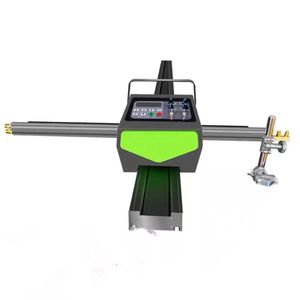
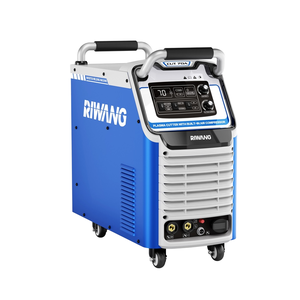
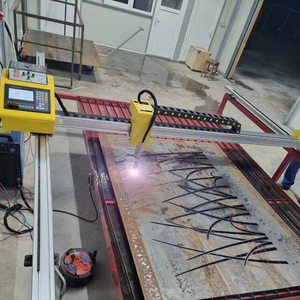
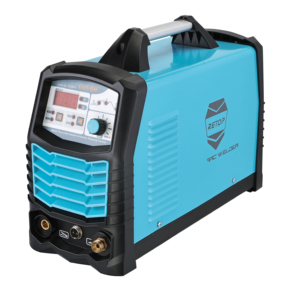
Furthermore, the synergy between compressed air systems and industrial equipment manufacturing—such as automated CNC plasma cutting stations, spot welding pneumatics, and high-duty MIG/MAG welding setups—has driven Chinese factories to design compact, integrated rotary compressor units. Models like the CUT-70A series feature direct-driven, lightweight inverter rotary compressors built straight into the chassis, eliminating external air hose drag and pressure drop losses while ensuring seamless arc stability during heavy plate metal fabrication.
Our manufacturing alliance, backed by over four decades of engineering legacy under the established Vulcan industrial brand and certified to ISO 9001:2015 quality management standards, represents the pinnacle of heavy industrial compressor and welding equipment fabrication. Originally established in 1980 by industry pioneers Mr. P. M. Vadalia and Late R. A. Patel, our corporate ecosystem has evolved from localized transformer manufacturing into a global enterprise exporting nearly 100 industrial product lines to over 30 countries across Africa, the Middle East, South Asia, and the Americas.
Engineered to operate continuously without thermal tripping under extreme supply voltage fluctuations (±15% line variation), dirty input power, and uncalibrated industrial generator feeds commonly encountered in field construction sites.
Utilizing heavy-duty copper-wound motors, oversized air-oil coolers, and multi-stage particulate filtration systems designed specifically for foundry, cement plant, mining, and tropical outdoor manufacturing environments.
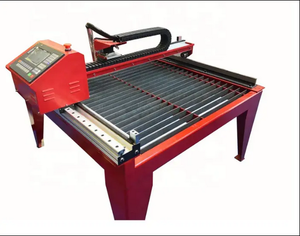
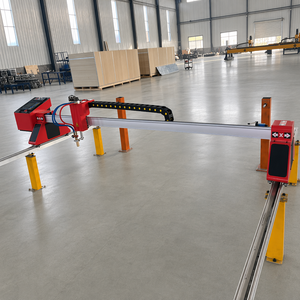
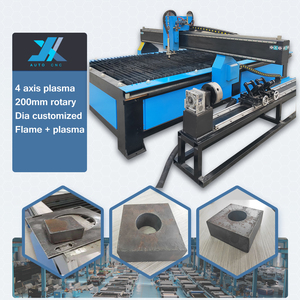
Direct OEM engineering support providing custom shaft configurations, skid-mounted air receiver tanks, dual-stage pressure regulators, and tailored inverter drive matching for specialized CNC plasma cutting tables and automated production lines.
Every single compressor unit and integrated plasma cutting power source undergoes a mandatory 100% full-load thermal run-in test, vibration spectrum audit, and pressure decay test prior to seaworthy packaging and export dispatch.
The technical evolution of rotary compressors within China’s top manufacturing sectors is undergoing a rapid transition toward decarbonization, intelligent energy management, and extreme mechanical durability. Buyers looking to future-proof their supply chain must evaluate prospective OEM partners against five defining technological trends:
Traditional fixed-speed rotary compressors suffer from significant energy losses during un-load cycling. Next-generation rotary screw and rotary vane compressors manufactured in China utilize IE4 and IE5 ultra-premium efficiency Permanent Magnet synchronous motors paired with advanced vector VFDs. This allows the compressor rotor speed to dynamically match real-time compressed air consumption down to 25% turndown ratio, yielding up to 35% electricity savings over fixed-speed models.
In response to international environmental mandates (such as the EU F-Gas Regulation and Kigali Amendment), Chinese rotary compressor factories have overhauled their heat pump and refrigeration compressor lines. Production has shifted toward eco-friendly refrigerants like R-32, R-454B, and natural hydrocarbons (R-290 Propane). Thermally optimized polyolester (POE) and polyalkylene glycol (PAG) synthetic lubricants are now standard, preventing oil breakdown under high discharge temperatures.
For high-pressure industrial applications (exceeding 10 bar to 15 bar), top-tier Chinese factories are standardizing dual-stage rotary screw configurations. By dividing the pressure ratio across two distinct intercooled rotor pairs, internal gas leakage (blow-by) is minimized, mechanical stress on rotor bearings is reduced by up to 30%, and specific power consumption (kW per m³/min) drops significantly compared to single-stage units.
Smart factories in China are embedding IoT microcontrollers directly into compressor control panels. Real-time monitoring of vibration frequencies (FFT spectrum analysis), oil viscosity degradation indices, discharge pressure ripples, and motor winding temperature allows centralized cloud platforms to predict bearing fatigue or valve fouling weeks before a critical system shutdown occurs.
To assist technical procurement teams in selecting the optimal air delivery architecture, the following matrix outlines the core performance parameters of the leading rotary compressor designs produced by China’s top manufacturing facilities:
| Compressor Type | Pressure Range (Bar) | Volumetric Efficiency | Acoustic Noise (dB) | Best Fit Application |
|---|---|---|---|---|
| Single-Stage Rotary Screw | 7.0 – 10.5 Bar | 88% – 92% | 65 – 72 dB(A) | Continuous shop air, general pneumatic tooling, automotive body shops. |
| Two-Stage PM-VFD Screw | 8.0 – 15.0 Bar | 94% – 97% | 62 – 68 dB(A) | Heavy manufacturing, fiber laser cutting gas assistance, chemical processing. |
| Direct-Drive Inverter Rotary Vane | 4.0 – 8.0 Bar | 85% – 90% | 58 – 64 dB(A) | Integrated portable equipment, mobile plasma cutting chassis (e.g. CUT-70A). |
| Hermetic Inverter Rolling Piston | 15.0 – 30.0 Bar | 90% – 94% | 52 – 60 dB(A) | Industrial heat pumps, HVAC VRF units, commercial transport refrigeration. |
Navigating cross-border procurement of heavy industrial machinery requires shifting focus from initial purchase cost (CAPEX) to Total Cost of Ownership (TCO) evaluation. Over a typical 10-year operating life of an industrial rotary compressor, electricity accounts for approximately 75% to 80% of total lifecycle costs, while initial equipment purchase represents less than 15%.
When auditing potential suppliers in China, buyers must confirm whether the factory operates an accredited testing laboratory compliant with ISO 1217 (for displacement compressors) or ISO 917 (for refrigerant compressors). Reputable factories provide calibrated performance curves showing precise Free Air Delivery (FAD) rates and specific power inputs validated by third-party testing bodies such as TÜV, CE, or UL.
Modern industrial procurement increasingly favors skid-mounted "All-in-One" air stations. Rather than purchasing compressors, refrigerated air dryers, oil-water separators, and storage tanks separately, global buyers prefer factory-assembled units. This reduces onsite installation engineering costs by over 60% and eliminates pipe sizing errors between air treatment stages.
Top Chinese factories utilize non-proprietary, globally standardized consumables—such as SKF/NSK heavy-duty bearings, Danfoss electrical contactors, and generic air-oil separator cartridges. This ensures that maintenance engineers can easily source replacement filters and lubricants locally without experiencing extended factory downtime.
To maximize continuous operational availability in high-duty manufacturing plants, our engineering team has cataloged the most common operational failure modes in industrial rotary compressors alongside factory-level design mitigations:
Speak directly with our senior application engineers for custom airflow calculations, integrated plasma cutter air units, or factory-direct pricing catalogs.
Partnering with an established manufacturing enterprise offers global equipment distributors, engineering contractors, and industrial buyers a distinct competitive edge. By combining low manufacturing overhead with ISO-certified quality controls, heavy-duty electrical components, and advanced thermal management design, our industrial rotary compressors and integrated plasma cutting equipment deliver exceptional lifecycle value and field reliability.
To request technical datasheets, factory inspection certificates, CAD dimensional layouts, or wholesale container-load quotations, click the inquiry link below to communicate directly with our international export trade department.
