Engineered for extreme reliability, energy conservation, and heavy continuous duty across processing, industrial, and transport applications.
An authoritative technical whitepaper on electromechanical motor design, total cost of ownership (TCO), efficiency classifications, and thermal durability standards for global procurement officers.
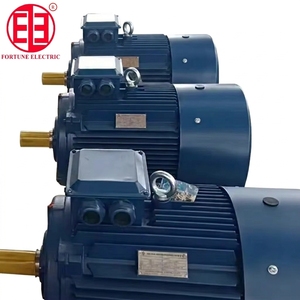
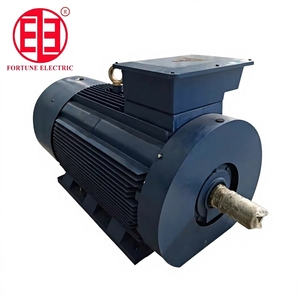
Alternating Current (AC) electric motors remain the primary workhorse of modern industrial infrastructure, consuming over 65% of all electrical energy utilized within manufacturing, chemical processing, mining, and municipal water management. When selecting an AC motor manufacturer for international supply contracts, plant engineers and B2B buyers must evaluate compliance with international efficiency standards. According to the IEC 60034-30-1 harmonization framework, AC induction motors are categorized into global efficiency classes:
| Efficiency Standard | Harmonized NEMA Equivalent | Primary Rotor Technology | Energy Loss Reduction vs IE1 | Optimal Industrial Applications |
|---|---|---|---|---|
| IE2 High Efficiency | Energy Efficient (EPACT) | Die-Cast Aluminum Squirrel Cage | 15% - 20% Reduction | Intermittent Duty Pumps, Small Conveyors |
| IE3 Premium Efficiency | NEMA Premium® | High-Grade Silicon Steel / Cast Al | 30% - 35% Reduction | Continuous Duty Compressors, HVAC Fans |
| IE4 Super Premium | Super Premium | Copper Rotor / Interior Permanent Magnet | 45% - 50% Reduction | Extruders, Centrifugal Chillers, Heavy Pumps |
| IE5 Ultra-Premium | Ultra Efficient / PMSM | Permanent Magnet / SynRM Rotor | 60%+ Loss Reduction | Precision Automation, EV Mobility, Process Lines |
Motor longevity is intimately connected to thermal management and stator insulation chemistry. Standard industrial environments subject AC electric motors to transient voltage spikes, ambient temperature swings, and chemical contaminants. Premium AC motor manufacturers employ Class F (155°C limit) or Class H (180°C limit) insulation systems with vacuum-pressure impregnation (VPI) resins.
Operating a Class F insulated motor at Class B temperature rise (maximum 80°K rise over 40°C ambient) creates a thermal safety margin of 35°C. According to Arrhenius rate equations for insulation breakdown, every 10°C reduction in operating temperature effectively doubles the thermal lifespan of stator winding insulation.
Enclosure protection ratings must match operational ambient exposure. Standard industrial configurations include:
Strategic Insights for B2B Sourcing Managers & OEM Design Engineers (2025–2030 Horizon)
Procurement is rapidly shifting toward smart AC motors equipped with integrated wireless MEMS vibration sensors and thermal telemetry. Modern industrial plants demand real-time FFT spectrum analysis to predict bearing fluting, shaft misalignment, and phase imbalance prior to catastrophic line failure.
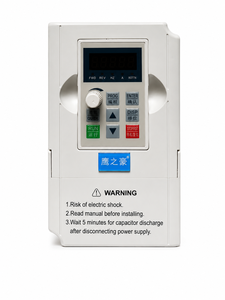
Next-generation variable frequency drives utilizing Silicon Carbide (SiC) power electronics operate at switching frequencies exceeding 20 kHz. AC motor stator designs now feature reinforced inverter-duty insulation (dv/dt resistance > 10,000 V/μs) and isolated ceramic bearings to eliminate shaft voltages.
High-torque direct drive Permanent Magnet Synchronous Motors (PMSM) are replacing traditional gearboxes in heavy processing machinery. By eliminating mechanical gear contact, industrial users achieve higher systemic efficiency, zero backlash, and lower routine maintenance costs.
Automated modular stator winding technology allows rapid custom voltage configurations (220V, 380V, 460V, 660V, 10kV) with standardized frame footprints. This drastically reduces OEM lead times for international projects requiring custom torque-speed profiles.
Global buyers favor AC motor manufacturers offering eco-designed motors with easily disassemblable die-cast aluminum frames, non-toxic varnish formulations, and 98% recyclable copper and steel components aligned with European RoHS and REACH environmental directives.
Over 44 Years of Industrial Engineering Excellence, Quality Standards, and Worldwide B2B Export Capability.
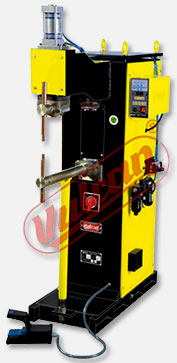
Established in 1980 by founder Mr. P. M. Vadalia alongside the late Mr. R. A. Patel, our enterprise—operating under the legacy of Canary Electricals Pvt. Ltd. and the respected Vulcan brand name—has grown into a powerhouse of industrial machinery manufacturing.
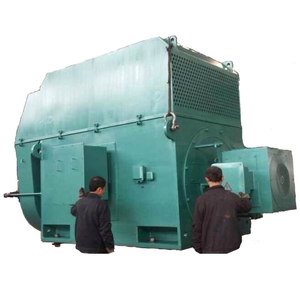
Headquartered in the thriving industrial hub of Morbi, Gujarat, India, our state-of-the-art production complex manufactures nearly 100 distinct product models ranging from heavy-duty industrial AC electric motors, transformers, welding rectifiers, to precision air compressors.
Our core engineering philosophy focuses on building robust electromechanical equipment capable of enduring extreme supply voltage fluctuations, high ambient dust loads, and thermal shock. Today, our products are actively deployed across more than 30 countries across Africa, the Middle East, South Asia, Europe, and the Americas.
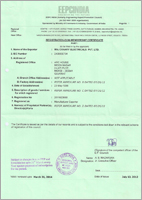


Rigorous multi-stage quality control system. Every single motor undergoes dynamic rotor balancing, insulation resistance surge testing, and full-load temperature rise validation.
Tailored shaft dimensions, custom frame mountings (B3, B5, B14, V1), special voltage frequency ratings, and harsh-duty anti-corrosion marine paint finishes.
Seaworthy fumigated wooden crate packing, complete export documentation (CO, Form E, CE, IEC compliance certification), and dependable port transport.
Dedicated application engineering team offering load calculation assistance, harmonic mitigation advice, replacement spares, and prompt field assistance.
Essential technical and commercial guidance for purchasing agents, importers, and mechanical system integrators.
Looking for high-efficiency AC motors engineered to your exact operational specifications? Contact our team of application engineers today for factory-direct pricing, CAD drawings, and technical support.
Inquire Now