Top Trusted Gear Motor Suppliers & Exporters

Precision Engineering, Motion Control Systems & Heavy Industrial Machinery Sourcing Guide

Precision Machining & Motion Control Equipment

Explore our export-grade CNC plasma cutters, industrial drives, and metalworking equipment manufactured for high-duty continuous operation.
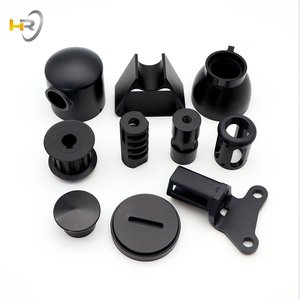
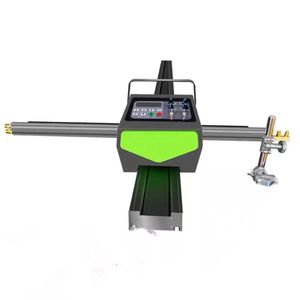
Wholesale Custom Precision CNC Plasma Cutters

Wholesale Custom Precision CNC Plasma Cutters Steel & Aluminum Parts Services

Get Catalog
Customizable Portable Plasma Cutting Machine

Customizable Portable Plasma Cutting Machine Heavy Duty CNC Metal Cutter

Get Catalog
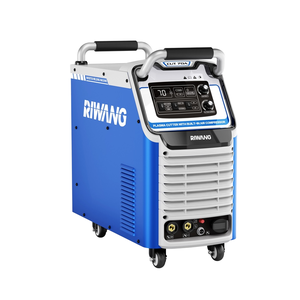
CUT-70A Inverter Plasma Cutter

CUT-70A Inverter Plasma Cutter with Integrated Air Compressor for Steel & Aluminum

Get Catalog
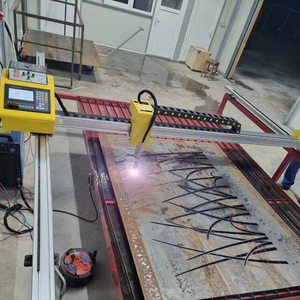
120A 200A Portable Gantry CNC Plasma

120A 200A Portable Gantry CNC Plasma Cutting Machine 1530 for Steel Sheet

Get Catalog
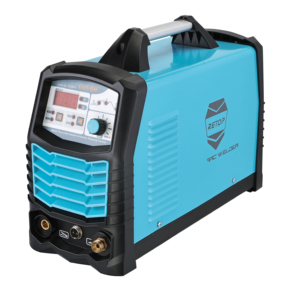
RETOP CUT-40 LED Digital Display Cut Machine

RETOP CUT-40 LED Digital Display 220V 40A Inverter IGBT Metal Air Plasma Cutter

Get Catalog
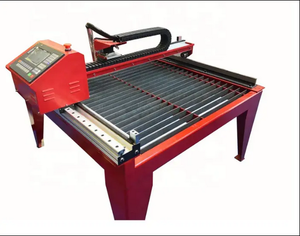
Small Desktop CNC Plasma Cutting Machine

Small Desktop CNC Plasma Cutting Machine 1325 1530 1560 Precision Workbench

Get Catalog
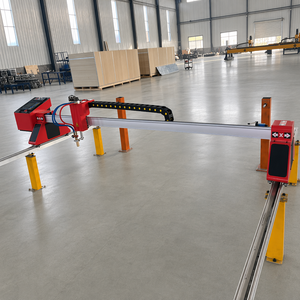
Portable Mini Gantry Plasma Cutter

Portable Mini Gantry Plasma Cutter with Dual-Rail Guidance System for Fabrication

Get Catalog
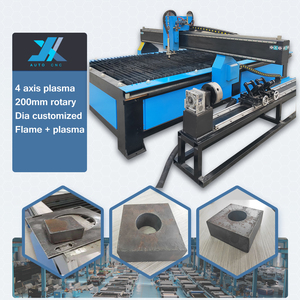
1530 200A Water Table CNC Plasma Cutter

1530 200A Water Table Galvanized Carbon Sheet Metal & Pipe CNC Plasma Cutter

Get Catalog
44+
Years of Manufacturing Excellence
100+
Industrial Product Models
30+
Global Export Markets
ISO 9001
2015 Certified Quality Management

1. Executive Summary & Technical Paradigm in Industrial Motion Control

Modern industrial manufacturing demands an uninterrupted convergence between mechanical drive efficiency and precision electrical control. Gear motors—the integration of an electric motor with a reduction gear train—serve as the foundational heart of automated machinery, material handling systems, CNC cutting gantries, heavy fabrications, and process plants worldwide. Selecting top trusted gear motor suppliers and exporters requires evaluating technical capabilities, metallurgical standards, dynamic load limits, and thermal reliability under continuous duty cycles (S1 through S8).

As global supply chains transition toward Industry 4.0 automation, the criteria for sourcing gear motors and associated industrial power equipment (such as thyristorized welding rectifiers, step-up transformers, and CNC cutting systems) have evolved beyond initial purchase price. Enterprise buyers prioritize Total Cost of Ownership (TCO), mechanical efficiency percentages, backlash ratings (measured in arcminutes), and certified environmental protection ratings (IP65/IP67).

Key Takeaway for B2B Buyers: High-tier gear motor suppliers combine precision-ground gear teeth (DIN 3962 Class 5/6 standards) with robust motor windings to deliver up to 96% mechanical efficiency, reducing kinetic thermal losses and extending operating lifespans past 50,000 continuous operational hours.

2. Technical Engineering Matrix: Gear Motor Architecture & Selection Criteria

Engineering procurement teams must evaluate several critical mechanical metrics when selecting a gear motor supplier for OEM equipment, heavy automation, or industrial machinery integration. The matrix below outlines primary gearbox architectures and their optimal industrial applications:

Gear Architecture Efficiency Range Backlash (Arcmin) Torque Density Primary Application
Helical Planetary Gearbox 94% - 98% < 3 - 7 arcmin Ultra-High Precision CNC Gantry, Robotics, Servo Drives
Inline Helical Gear Motor 92% - 96% 10 - 20 arcmin High Conveyors, Agitators, Heavy Machinery Drives
Bevel Helical Gear Reducer 90% - 95% 12 - 25 arcmin High Right-Angle Drives, Mining, Cement Mills
Worm Gear Motor 55% - 85% 20 - 45 arcmin Moderate Light Material Handling, Self-Locking Hoists

Key Engineering Metrics to Verify During Sourcing:

  • Service Factor (SF): Ensure a minimum SF of 1.4 to 2.0 for heavy shock load applications (e.g., steel shearing, plasma gantry movement, or continuous compressor duty).
  • Thermal Dissipation Limit: Verify heat dissipation thresholds under ambient temperatures exceeding 45°C, ensuring synthetic lubrication stability.
  • Radial & Axial Shaft Load Ratings: Confirm overhung load (OHL) limits using hardened alloy shafts (20CrMnTi or equivalent carburized steel).
  • Motor Efficiency Class: Premium suppliers match gear sets with IE3 or IE4 super-premium efficiency induction or permanent magnet motors.

3. Global Procurement Trends & Market Dynamics (2025–2030)

The industrial drive and power equipment sector is undergoing major shifts driven by energy regulations, digital monitoring, and rapid modular manufacturing. Buying managers should align their procurement strategies with four key market trends:

Trend 1: Smart Gear Motors with Integrated IoT Sensors

Leading exporters are embedding vibration sensors, thermal probes, and oil quality indicators directly into gear motor housings. Connected via IIoT protocols (IO-Link, Modbus RTU), these smart drives provide real-time condition monitoring, enabling predictive maintenance schedules that eliminate unplanned downtime in continuous manufacturing lines.

Trend 2: Transition to IE4/IE5 Super-Premium Efficiency Standards

With industrial power consuming over 60% of total electrical energy in manufacturing plants, global regulatory bodies (such as the EU Ecodesign Directive and regional energy authorities) are mandating high-efficiency motor pairings. Sourcing gear motors optimized for variable frequency drives (VFDs) ensures substantial long-term electricity cost savings.

Trend 3: Modular Engineering & Rapid Customization

Standardized shaft dimensions, IEC/NEMA flange adapters, and universal mounting orientations allow enterprise buyers to standardize replacement inventories. Top suppliers offer flexible modular kits, allowing custom output ratios (from 3:1 to 300:1) to be assembled with short lead times.

Trend 4: Synergistic Sourcing of Motion & Fabrication Systems

Modern plant managers increasingly consolidate vendors by procurement of complete industrial setups—combining high-precision CNC cutting systems, industrial welding rectifiers, air compressors, and precision gear drives from unified, verified manufacturing partners.

4. Enterprise Infrastructure & Manufacturing Capabilities: Canary Electricals Pvt. Ltd.

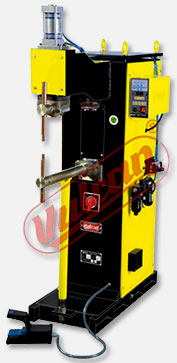
Established in 1980 by Mr. P. M. Vadalia and Late R. A. Patel, Canary Electricals Pvt. Ltd. has grown into a premier industrial equipment manufacturer and exporter headquartered in Morbi, Gujarat, India. Operating under the renowned Vulcan brand name, the company engineered a comprehensive line of industrial equipment designed for operation under extreme supply voltage fluctuations, high ambient dust, and demanding operating environments.

Our expansive manufacturing footprint produces over 100 distinct product models—ranging from precision MIG/MAG welding machines, spot welders, thyristorised rectifiers, step-up transformers, screw air compressors, to high-precision CNC plasma cutting systems. With over four decades of engineering domain expertise, Canary Electricals serves critical heavy industries including steel production, cement plants, mining operations, railway workshops, shipbuilding, and automotive manufacturing.

Strict quality assurance protocols govern every phase of manufacturing. As an ISO 9001:2015 certified enterprise, our infrastructure includes dynamic load test beds, computerized winding inspection, component stress analysis, and rigorous metallurgical checking to guarantee international compliance for global export markets across Africa, the Middle East, South Asia, and beyond.
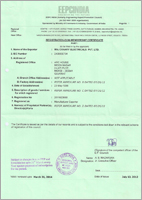

ISO 9001 Certification Badge Quality Compliance Certificate Badge
Canary Electricals Manufacturing Plant Facilities

5. Industrial Supplier Evaluation Framework (E-E-A-T Vendor Checklist)

When auditing prospective gear motor manufacturers and global exporters, technical procurement teams should utilize the following E-E-A-T (Experience, Expertise, Authoritativeness, Trustworthiness) qualification matrix:

  • Metallurgical & Machining Standards: Verify if gear components undergo carburizing heat treatment (case depth 0.8–1.2 mm, surface hardness 58-62 HRC) and precision gear tooth grinding to minimize operational noise and heat.
  • Quality System Certification: Ensure the factory maintains verifiable ISO 9001:2015 quality management systems, CE conformity, and comprehensive factory acceptance testing (FAT) protocols.
  • Custom OEM & ODM Flexibility: Confirm supplier capability for custom shaft diameters, special flange keyways, synthetic low-temperature lubricants, and custom motor voltage configurations (220V/380V/415V/460V at 50Hz/60Hz).
  • Export Packaging & Logistics Execution: Evaluate export packaging standards—including heavy-duty vacuum-sealed rust prevention wrapping, shock-absorbing fumigated wooden cases, and complete customs documentation for international ocean freight.
  • After-Sales Engineering Support: Partner with manufacturers that offer comprehensive spare parts availability, replacement gear sets, motor field service kits, and remote technical diagnostics.

6. Frequently Asked Questions (Industrial Sourcing FAQ)

Q1: How do I select the proper gear ratio for a heavy-duty conveyor or plasma gantry drive?
Selection requires calculating the desired output shaft speed (RPM) from the motor input speed (typically 1400 RPM at 50Hz or 1750 RPM at 60Hz) divided by the targeted linear conveyor speed. Always factor in total dynamic torque (Nm) including start-up inertia, applying a service factor of at least 1.5 to prevent gear tooth fatigue.
Q2: What is the difference between inline helical gear motors and right-angle worm gear motors?
Inline helical gear motors transmit power parallel to the motor shaft with high mechanical efficiency (92-96%), making them ideal for continuous, high-efficiency operations. Right-angle worm gear motors transmit power at 90 degrees with lower efficiency (60-85%) due to sliding friction, but offer compact spatial integration and inherent self-locking characteristics under high gear ratios.
Q3: Why is backlash rating critical for CNC plasma cutters and automated positioners?
Backlash refers to the minute rotational clearance or play between mating gear teeth, measured in arcminutes (1/60th of a degree). Low backlash (<5 arcmin) is essential in CNC cutting gantries, servo drives, and robotic arms to prevent positioning hysteresis, ensuring smooth torch motion, tight contouring tolerances, and superior cut surface finish.
Q4: What ingress protection (IP) rating is recommended for harsh factory environments?
For dusty environments containing metal grindings, moisture, or chemical vapors (such as welding shops, steel fabrication yards, and chemical processing units), gear motors should be specified with IP65 (dust-tight and protection against water jets) or IP66 protection, featuring double-lip oil seals and sealed terminal boxes.
Q5: Can gear motors be controlled using Variable Frequency Drives (VFDs)?
Yes. However, the electric motor must feature Class H or Class F insulation with inverter-duty magnet wire to withstand high peak voltage spikes (dV/dt). Additionally, when running motors at low speeds (<20Hz) for extended periods, an independent powered cooling fan (forced ventilation) should be added to prevent thermal overload.
Q6: What lubrication standard is required for long service intervals?
Industrial gear motors use ISO VG 220 to ISO VG 460 synthetic polyglycol (PAG) or synthetic hydrocarbon (PAO) gear oils. Synthetic lubricants provide superior film strength, wider temperature operational windows (-20°C to +100°C), and extend oil change intervals up to 20,000 operational hours compared to standard mineral oils.
Q7: What export quality documentation and testing reports are supplied with international orders?
Reputable global exporters supply comprehensive Factory Acceptance Test (FAT) reports, dimensional calibration certificates, material mill certificates, insulation resistance test reports, dynamic noise/vibration analysis logs, and ISO 9001 compliance documentation accompanying every commercial shipment.