Explore our heavy-duty CNC plasma cutters, portable gantry shearing platforms, and precision metal processing equipment designed for continuous duty industrial operations.
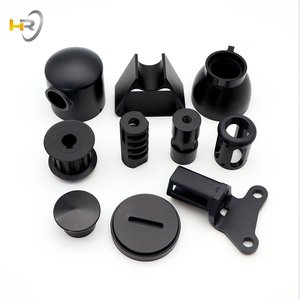
In modern industrial metal fabrication, selecting the correct shearing machine suppliers and exporters dictates the operational efficiency, edge quality, and long-term yield of steel processing facilities. Whether processing thin gauge aluminum, structural carbon steel, or high-tensile stainless alloys, modern industrial shearing and thermal profile cutting systems represent the core backbone of metal fabrication lines globally.
Metal shearing is fundamentally a process of straight-line cold cutting of sheet, plate, or bar stock without chip formation or thermal melting (in mechanical/hydraulic configurations), or through high-density kinetic thermal displacement (in CNC plasma cutting platforms). A deep technical understanding of mechanical shear dynamics, blade clearance engineering, stroke frequency optimization, and power system stability is paramount for engineering directors and B2B procurement managers seeking to maximize ROI.
Industrial metal buyers evaluate cutting machines based on material thickness, tensile strength, edge squareness tolerance, and throughput speed. Below is an engineering comparison of primary shearing technologies:
| Cutting Technology | Ideal Thickness Range | Cutting Speed / Throughput | Edge Finish (Kerf/Burr) | Operational Flexibility |
|---|---|---|---|---|
| Hydraulic Guillotine Shear | 6mm - 32mm Steel | Medium (10 - 25 strokes/min) | Zero heat-affected zone, sharp edge | Straight-line shearing only |
| Hydraulic Swing Beam Shear | 1mm - 12mm Steel | High (15 - 35 strokes/min) | Clean mechanical fracture angle | Straight-line high volume production |
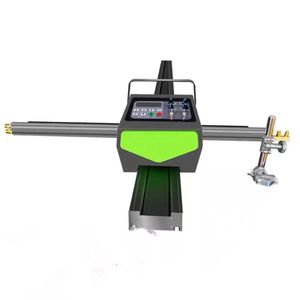
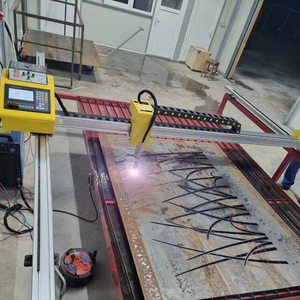
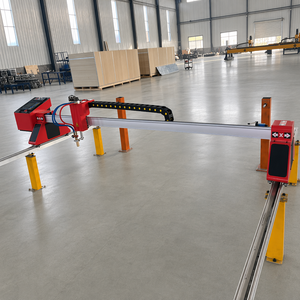
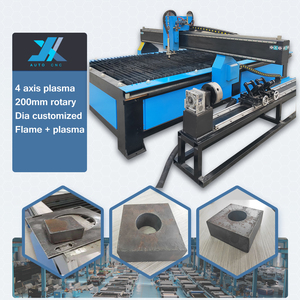
| Portable CNC Gantry Plasma | 0.5mm - 50mm Metal | Very High (Variable linear speed) | Minor oxide layer, easily weldable | Complex 2D profiles, beveling, pipe cutting |
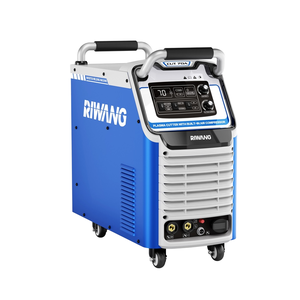
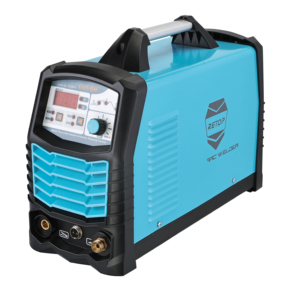
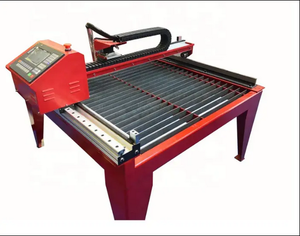
| Inverter Desktop CNC Plasma | 0.5mm - 20mm Sheet | High-Precision Micro Cutting | Narrow kerf width, high squareness | Prototyping, ductwork, sheet parts |
Built upon over four decades of electrical and heavy machinery manufacturing, our industrial heritage delivers unmatched field reliability across extreme operating environments.
Founded in 1980, our manufacturing plants adhere to rigorous quality control frameworks. Every shearing machine, welding inverter, and plasma system undergoes load-duty testing, insulation resistance evaluation, and cutting tolerance verification prior to global export.
Integrating proprietary thyristorized power supplies, heavy-duty transformers, and IGBT inverter modules. Our cutting power units withstand severe voltage fluctuations, high dust ambient environments, and 100% duty cycle heavy fabrication demanding environments.
With an export footprint spanning over 30 countries across Africa, the Middle East, South Asia, and the Americas, we provide export-grade sea-worthy packaging, international customs documentation support, and rapid spare parts dispatch.
As industrial automation accelerates under Industry 4.0 paradigms, procurement directors must anticipate structural shifts in metal shearing and thermal profile equipment design. Investing in forward-compatible machinery reduces Total Cost of Ownership (TCO) and prevents early technological obsolescence.
Traditional hydraulic shears operate continuous-duty AC induction motors powering hydraulic pumps, consuming energy even during stand-by intervals. Modern shearing platforms are rapidly adopting direct-drive servo-hydraulic architecture. Servo-driven pumps deliver hydraulic fluid on-demand only during the stroke cycle, cutting standby power consumption by up to 45% to 60% while reducing thermal oil degradation and reservoir volume requirements.
For CNC plasma shearing and profile cutting systems, modern procurement specs demand micro-controller integration capable of dynamic kerf height control (THC). Integrated optical sensors detect plate warping in real-time, automatically adjusting torch height within fractions of a millimeter to preserve constant arc voltage and eliminate bevel angle variation.
Modern B2B buyers favor shearing equipment integrated with smart CNC controllers supporting CAD/CAM auto-nesting software. Automatic scrap reduction algorithms optimize sheet utilization ratios to over 92%, drastically lowering raw material expenditure in high-volume carbon steel and aluminum processing lines.
Field fabrication in shipbuilding, pipeline construction, and structural steel erection requires equipment mobility. Heavy fixed machinery is increasingly complemented by portable mini-gantry CNC cutters featuring dual-rail guidance systems. These units combine the rigidity of industrial cutting beds with the agility of job-site deployment.
Key technological breakthroughs driving speed, cutting accuracy, and reduced blade wear in shearing systems.
Modern mechanical shearing machines feature multi-edge H13 or Cr12MoV alloy blades hardened to 58-62 HRC. Four-edge reversible blade geometry quadruples operational blade life before regrinding is required.
Replacing legacy transformer power supplies, digital IGBT plasma cutters deliver soft-switching high frequency arc generation. This yields narrow thermal kerfs, zero dross formation, and reduced power grid harmonics.
Recirculating ball screws and AC servo motors drive precision motorized backgauges. Controlled via touch-screen CNC interfaces, operators achieve stroke length positioning accuracy of ±0.05mm.
Below are technical answers to common queries raised by industrial machinery buyers, plant managers, and structural fabrication engineers.
Consult with our application engineering team today to receive detailed technical specifications, custom machinery quotes, and export logistics schedules tailored to your plant requirements.
