High-efficiency, ruggedized induction heating units, control boards, and specialized thermal systems optimized for harsh operating environments, heavy duty cycles, and continuous Russian industrial production.
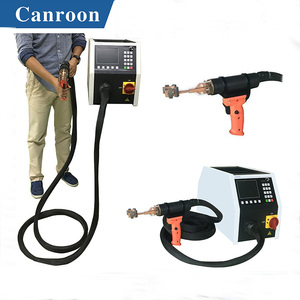
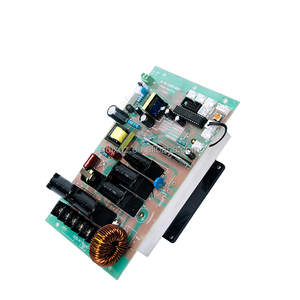
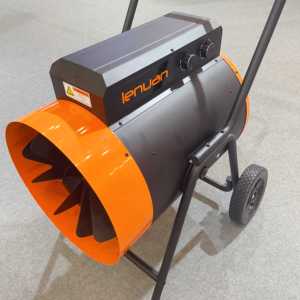
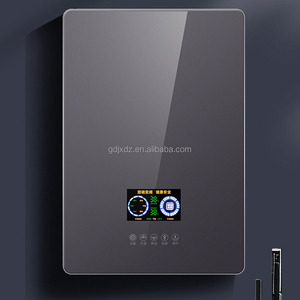
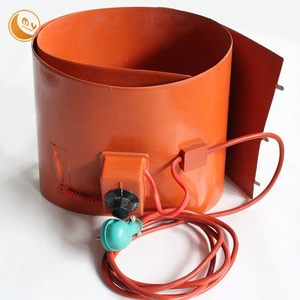
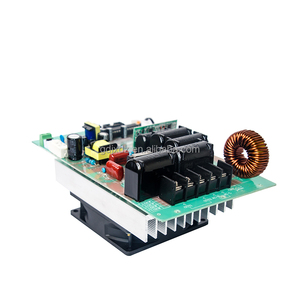
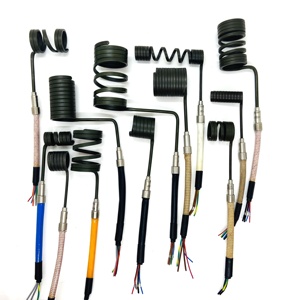
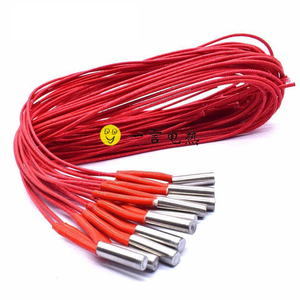
The industrial landscape across the Russian Federation is undergoing a structural transformation. Heavy manufacturing hubs in the Ural Mountains (such as Chelyabinsk, Yekaterinburg, and Perm), metalworking enterprises in the Central Federal District, and energy extraction operations across Siberia demand robust thermal processing systems. Historically dominated by resistance heating element assemblies and fossil-fuel-fired thermal systems, Russian procurement managers and plant engineers are now rapidly transitioning toward solid-state IGBT induction heating technology.
Induction heating leverages electromagnetic induction to generate eddy currents directly within conductive materials (ferrous and non-ferrous metals). This localized, contact-free thermal transformation eliminates heat transmission losses associated with thermal conduction through ceramic bands or radiant air space. In Russia’s climate, where ambient factory temperatures can fluctuate dramatically between summer and severe winter conditions, conventional heating elements suffer from severe radiant dissipation into surrounding cold air. In contrast, electromagnetic induction delivers heat directly into the target workpiece or processing barrel, maintaining energy efficiency rates above 95% regardless of ambient plant temperatures.
By bypassing external thermal conduction layers, energy is generated inside the metallic core, drastically shortening heat-up cycles from hours to minutes.
Engineered with adaptive wide-voltage control mainboards (±15% to ±20% variation tolerance) designed to operate smoothly on regional Russian 380V/220V 50Hz industrial grids.
Controlled electromagnetic field penetration depth prevents surface overheating, maintaining alloy crystal structure during annealing and pre-weld stress relieving.
For industrial procurement teams analyzing total cost of ownership (TCO) in Russian manufacturing facilities, comparing electrical power draw, heating response latency, safety parameters, and maintenance down-time reveals the definitive operational advantages of modern induction heaters.
| Performance Parameter | Legacy Resistance Heating (Ceramic/Mica) | Advanced IGBT Induction Heating | Operational Impact for Russian Plants |
|---|---|---|---|
| Thermal Efficiency | 40% – 60% (High losses to ambient air) | 93% – 98% (Direct metal core heat) | Cuts plant electrical utility bills by up to 50% |
| Warm-Up Time (Room Temp to 400°C) | 45 – 90 Minutes | 8 – 15 Minutes | Increases daily machine availability and output |
| Surface Operating Temperature | 300°C – 500°C (High burn hazard) | 35°C – 60°C (Insulated induction coil) | Improves workshop safety and lowers HVAC load |
| Heating Core Lifespan | 6 – 18 Months (Resistive burnouts) | > 50,000 Operating Hours | Eliminates frequent heating element replacement costs |
| Temperature Control Accuracy | ±5°C to ±10°C (High thermal inertia) | ±1°C (Instant PID loop adjustments) | Ensures strict compliance with GOST metal standards |
Because resistance heaters rely on high surface temperatures to transfer thermal energy inward through physical contact, the outer surface of a traditional heating band often operates hundreds of degrees hotter than the target piece. In contrast, induction heating coils remain cool to the touch under working conditions, encased in high-temperature silica insulation. This design feature drastically improves plant safety standards and reduces seasonal heating and cooling load imbalances within factory halls.
Our OEM and custom induction heating systems are engineered to address specific technical challenges faced by Russian enterprises across diverse industrial geographic belts:
In extreme sub-zero field environments (-30°C to -45°C), welding high-strength carbon steel oil and gas transmission pipelines without pre-heating leads to hydrogen-induced cracking and weld embrittlement. Compact, high-frequency IGBT induction power supplies allow field teams to rapidly pre-heat pipe circumference joints to 150°C–250°C in seconds. Flexible induction cables wrap around complex pipe geometry, delivering localized, even thermal distributions compliant with Transneft and Gazprom field engineering specifications.
Plastics manufacturing complexes surrounding Moscow, Vladimir, and Nizhny Novgorod are under continuous pressure to reduce kilowatt-hour expenditure per kilogram of extruded polymer resin. Replacing legacy ceramic resistance bands on twin-screw extruders with our specialized barrel induction heaters yields direct energy reductions of 30% to 50%. The precise thermal stability prevents polymer degradation, melt index fluctuations, and barrel hot-spots, ensuring uniform wall thickness in pipe and film production lines.
Machinery manufacturing plants in Chelyabinsk and Tolyatti require precise surface hardening (quenching) for gears, shafts, bearings, and stamping dies. High-frequency IGBT power units combined with custom CNC induction hardening scanners allow localized skin hardening to exact case depths (1.0mm to 5.0mm) without compromising the ductile toughness of the underlying metal core. The fast processing speed minimizes surface oxidation and scale formation, drastically scaling back secondary grinding processes.
Agricultural processing plants, livestock heating facilities, and food processing complexes in Krasnodar and Rostov regions require reliable, clean, explosion-proof thermal solutions. Induction instant air heaters and boiler systems deliver instantaneous thermal output with low ambient noise and zero direct combustion emissions. Encased in rugged cold-rolled steel enclosures, these units run continuously through winter frost cycles without scaling or thermal degradation.
Engineers, plant directors, and OEM machinery builders across Russia are aligning their procurement strategies with several decisive technological shifts:
With decades of specialized electrical manufacturing heritage, our manufacturing facility produces robust industrial equipment built for harsh operational demands. Operating under strict ISO 9001:2015 Quality Management Systems, every induction heating unit, mainboard, and custom coil assembly undergoes exhaustive quality verification prior to dispatch.
Full international compliance across design, electrical engineering, assembly, burn-in testing, and international export packaging protocols.
Units undergo rigorous voltage fluctuation resistance testing (320V to 440V strain testing), high-humidity isolation checks, and high-ambient dust exposure tests.
In-house electromagnetic engineering teams develop specialized induction coils matching unique customer geometric dimensions, barrel profiles, and tube diameters.
Our engineering team collaborates directly with Russian machinery manufacturers, system integrators, and industrial plant owners to supply customized power ratings (from 2.5kW board-level components to high-power multi-kilowatt industrial systems). We ensure complete technical documentation, wiring schematics, and operational manuals to facilitate fast local installation and commissioning.
Addressing critical technical, electrical, and logistical questions regarding the deployment of induction heating systems across Russian manufacturing facilities.
A: Yes. Our systems are specifically engineered to interface seamlessly with Russian 380V (three-phase) and 220V (single-phase) 50Hz electrical supply networks. Our control boards incorporate digital phase-locked loops (PLL) and wide-voltage compensation circuits that automatically adapt to voltage dips or surges common in heavy industrial zones.
A: Because induction heating generates thermal energy directly within the metal wall of the extruder barrel, low external plant temperatures have negligible impact on thermal efficiency. Thermal insulation blankets layered over the induction coil trap heat inside the barrel, reducing standby heat loss by over 90% compared to uninsulated ceramic heaters.
A: Absolutely. Our 2.5kW to 3.5kW mainboards and higher-capacity industrial generator sets feature standardized terminal blocks, analog/digital control inputs (0-5V/4-20mA), and RS485 communication ports, making them ideal for retrofit projects on Russian-made or imported industrial extruders and furnaces.
A: All shipments include comprehensive English technical manuals, complete circuit board schematics, GOST/EAC conformity guidance notes, ISO 9001 quality certificates, and step-by-step wiring instructions for plant electricians.
A: Under normal operating conditions with proper cooling (air or water-cooled loops according to unit specifications), our solid-state IGBT induction power supplies boast a mean time between failures (MTBF) exceeding 50,000 operating hours.
A: Our application engineers calculate precise power requirements based on material mass, specific heat capacity, target temperature, cycle time, and component dimensions. Contact our technical sales team to request a customized thermal calculation report.
