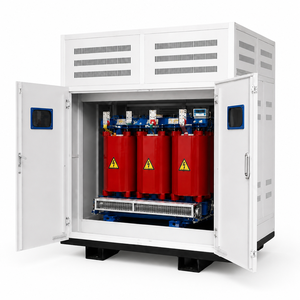
Explore our range of single-phase, three-phase, PCB mounted, dry-type, and oil-immersed isolation transformers customized for NZ grid voltages (400V/230V 50Hz) and rugged operational conditions.
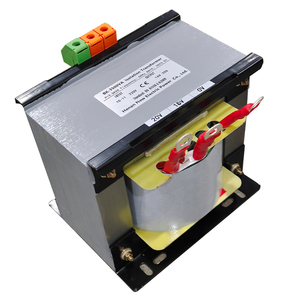
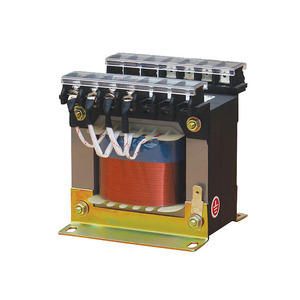
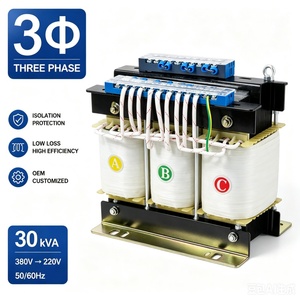
An in-depth technical whitepaper on decoupling earth loops, mitigating harmonics, and selecting isolation transformers for AS/NZS 3000 compliance.
In the contemporary electrical architecture of New Zealand, industrial facilities in Auckland, Christchurch, Hamilton, and Wellington face increasingly complex power quality challenges. As automation, Variable Frequency Drives (VFDs), robotics, and renewable grid ties proliferate across Kiwi manufacturing and agricultural sectors, the requirement for galvanic isolation becomes paramount. Selecting a verified, high-performance isolation transformer supplier in New Zealand is no longer just a purchasing decision—it is a critical risk-management strategy for facility uptime, personnel safety, and asset longevity.
New Zealand operates primarily under the Multiple Earthed Neutral (MEN) distribution framework governed by the Electricity (Safety) Regulations and AS/NZS 3000:2018 Wiring Rules. In an MEN system, the neutral conductor is grounded at multiple points along the distribution line and at every customer switchboard. While this delivers robust fault detection, it also presents distinct operational liabilities for automated equipment:
An industrial dry-type isolation transformer solves these issues by creating a Separately Derived System (SDS). Through magnetic flux linkage across physically isolated primary and secondary windings, the secondary neutral can be grounded independently at the point of use. This eliminates ground loops, isolates common-mode voltage spikes, and stabilizes signal integrity for precision CNC machinery and automated dairy processing lines.
Industrial power lines in New Zealand carry substantial high-frequency electromagnetic interference (EMI) generated by non-linear loads. Canary Electricals integrates precision-engineered Faraday Electrostatic Shields between the primary and secondary copper windings in our Vulcan series transformers. Grounding this copper barrier diverts high-frequency noise transients (transients up to several kilovolts) directly to the ground before they can capacitively couple into the secondary output.
| Transformer Tech Type | Insulation Class & Cooling | Harmonic Attenuation | Typical NZ Application Scenario | AS/NZS Standard Alignment |
|---|---|---|---|---|
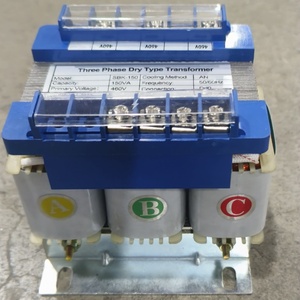
| VPI Dry-Type Isolation | Class H (180°C) Air Natural (AN) | Up to K-Factor 13 / K-20 | Machine tools, CNC control panels, commercial HVAC | AS/NZS 60076.11 |
| Epoxy Resin Cast Dry-Type | Class F/H Flame Retardant | High Transient Surge Resistance | Dairy processing plants, indoor substations, mining | AS/NZS 60076.11 & IEC 60076 |
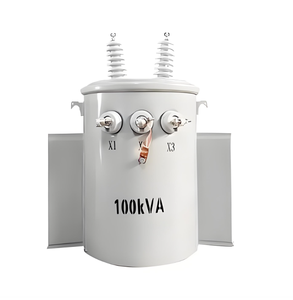
| Oil-Immersed Pole Mounted | Class A Mineral Oil / Ester Fluid | Grid Surge Isolation | Rural South Island power distribution, agribusiness microgrids | AS/NZS 60076.2 / ANSI C57 |
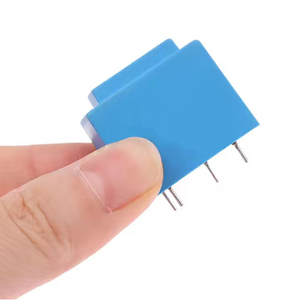
| Encapsulated PCB Safety | Class B Epoxy Encapsulated | High Galvanic Dielectric Strength | Medical devices, industrial IoT controllers, lab instruments | AS/NZS 61558.2.4 |
From Waikato dairy sheds to South Island geothermal projects, discover how Vulcan isolation transformers deliver tailored electrical isolation for local industries.
New Zealand's world-leading dairy export sector (in regions like Taranaki, Waikato, and Canterbury) relies heavily on automated milking parlors, pasteurization systems, and heavy refrigeration units. High-frequency electrical noise from massive VFDs driving milk pumps often causes false sensor readings and controller locks. Canary Electricals supplies Class H copper-wound step-down isolation transformers with IP65-rated enclosures built to withstand washdown procedures and corrosive ammonia environments.
Port of Auckland, Port of Tauranga, and Lyttelton Port demand stringent galvanic isolation for shore-to-ship power equipment and quay crane automation. Salt mist air rapidly degrades inferior insulation. Our epoxy-resin cast dry-type transformers feature anti-corrosion varnishes and non-hygroscopic insulation materials, protecting electrical systems against stray electrolytic marine currents and salt fog degradation.
In Rotorua and the Taupō Volcanic Zone, geothermal energy extraction exposes electrical plant infrastructure to atmospheric Hydrogen Sulfide ($H_2S$) gas and elevated thermal conditions. Canary Electricals custom-engineers sealed, oil-immersed or cast-resin 3-phase isolation transformers capable of continuous rated operation up to 55°C ambient temperatures without dielectric breakdown.
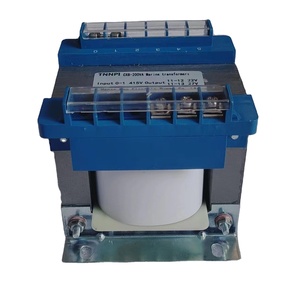
New Zealand engineering shops frequently import specialized industrial machinery manufactured in Japan (200V 3-phase), Europe (380V/400V 50Hz), or North America (480V 60Hz). Our BK and BK-50VA series machine tool control transformers step down nominal 400V/415V NZ supply voltages to 220V, 110V, or 24V control power, ensuring flawless voltage matching and safety separation.
Analysis of the macroeconomic and technological shifts shaping transformer procurement across the North and South Islands.
As New Zealand targets net-zero carbon emissions, fast DC EV charging stations and commercial rooftop solar farms are expanding rapidly. Grid-tied isolation transformers are vital to prevent direct current (DC) injection into Transpower’s high-voltage grid and to shield charger power electronics from high grid voltage transients.
Environmental regulations in New Zealand increasingly favor self-extinguishing, maintenance-free dry-type transformers over traditional oil-filled units for indoor commercial buildings, hospitals, and food processing plants, eliminating PCB contamination risks and fire hazard liabilities.
With industrial automation adding non-linear harmonic loads (triacs, rectifiers, UPS units), standard transformers suffer severe eddy-current overheating. The market is aggressively shifting toward K-Factor 13 and K-Factor 20 rated isolation transformers to ensure energy efficiency and prevent neutral overload fire risks.
Over 44 years of specialized manufacturing experience delivering heavy-duty electrical infrastructure under the Vulcan brand name.
Established in 1980 by Mr. P. M. Vadalia and Late R. A. Patel, Canary Electricals manufactures all Vulcan transformers under strict ISO 9001:2015 quality control systems. Every unit undergoes 100% routine testing including high-voltage breakdown, ratio error, phase displacement, and load loss validation.
We utilize high-grade EC-grade copper conductors coated with dual-layer Class H insulation enamel. Combined with cold-rolled grain-oriented (CRGO) silicon steel cores, our isolation transformers maintain low core losses, minimal heat dissipation, and exceptionally long operating lifespans.
Whether you require multi-tap primary voltages (380V/400V/415V/440V), custom IP54/IP65 outer enclosures, or specific short-circuit impedance matching, our technical design team builds to your exact specification with robust sea/air export packaging.
Expert technical answers to common queries raised by NZ electrical engineers, contractors, and machinery importers.
Partner with an established industrial transformer manufacturer. Contact our application engineering team today for full product catalogs, CAD drawings, and factory direct export quotations for New Zealand.