Engineered for extreme durability, compliance with AS/NZS standards, and seamless integration into Melbourne’s manufacturing lines.
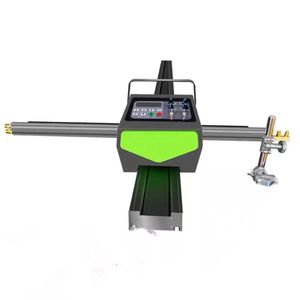
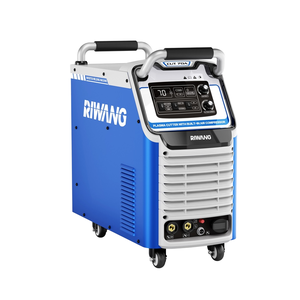
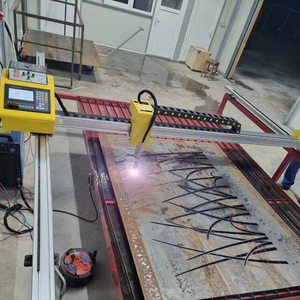
The manufacturing and structural metal fabrication sector in Melbourne—spanning major industrial hubs such as Dandenong South, Campbellfield, Somerton, Laverton North, and Geelong—is undergoing a rapid technological transformation. As Victorian fabricators adapt to escalating skilled labor costs, stringent safety mandates (AS/NZS compliance), and the demands of modern structural design, the transition from manual welding processes to high-performance pneumatic resistance spot welding machines and automated CNC plasma cutting systems has become vital for maintaining commercial competitiveness.
Pneumatic spot welding machines utilize double-acting air cylinders to exert consistent, high-magnitude electrode pressure combined with precise micro-processor timed electrical discharges. This eliminates human fatigue, guarantees zero-defect structural bond repeatability, and accelerates production throughput by up to 300% compared to foot-pedal mechanical spot welders. Whether assembling automotive chassis brackets, HVAC ducting, sheet metal enclosures, or heavy steel wire mesh, Melbourne factories require equipment built to endure high ambient summer temperatures while operating on Australian standard 415V three-phase electrical infrastructure.
Precision pneumatic cylinders deliver uniform clamping forces (up to 12 kN), mitigating metal expulsion and surface indentations on stainless steel and aluminum sheet metals.
Integrated water-cooling circuits protect copper transformer windings and SCR thyristors, allowing continuous 50% to 100% duty cycles in 45°C ambient conditions.
Engineered with dual-stage pneumatic safety valves, emergency air release switches, and low-voltage control circuits to satisfy WorkSafe Victoria operational standards.
Selecting the appropriate resistance welding technology depends on structural load demands, production speeds, and operational overhead. Below is a comprehensive engineering comparison matrix evaluating equipment performance for industrial buyers in Victoria:
| Performance Feature | Pneumatic Spot Welder (Vulcan Air-Series) | Manual Foot-Pedal Spot Welder | Servo-Electric Resistance Welder |
|---|---|---|---|
| Clamping Mechanism | Pneumatic Air Cylinder (4–8 bar pressure) | Mechanical Foot Lever (Operator Dependent) | Electric Servo Motor Actuator |
| Electrode Pressure Range | 2.5 kN – 12.5 kN (Digitally Adjustable) | 0.5 kN – 2.0 kN (Variable / Inconsistent) | 3.0 kN – 15.0 kN (Programmed Control) |
| Welding Cycle Speed | High (60 – 120 spots / minute) | Low (15 – 30 spots / minute) | Very High (80 – 150 spots / minute) |
| Input Voltage & Frequency | 415V 3-Phase, 50Hz (Australian Grid Standard) | 240V 1-Phase / 415V 2-Phase | 415V 3-Phase Servo Drive |
| Capital Investment (AUD) | Moderate (Optimal ROI for Melbourne SMEs) | Low Initial Cost (High Labor Expense) | Very High (Capital Intensive) |
| Maintenance Complexity | Low (Standard pneumatic seals & valves) | Very Low (Simple mechanical linkage) | High (Requires specialized electronic techs) |
How local workshops and manufacturing plants deploy pneumatic welding and CNC cutting solutions to solve critical production challenges.
In Dandenong South's automotive hub, heavy-duty truck trailer fabricators utilize pneumatic spot welders to join multi-layer galvanized steel reinforcement panels. Constant pneumatic stroke control prevents metal warping, ensuring zero fatigue failures under rugged Australian road conditions.
Commercial air conditioning duct manufacturers in Campbellfield rely on air-operated projection welders for rapid pin, flange, and bracket tacking. The fast pneumatic action allows operators to complete thousands of spot welds per shift with minimal thermal distortion.
Switchboard and server rack builders across Western Melbourne employ benchtop and column pneumatic spot welders. Precise digital phase control ensures clean aesthetic welds on mild steel, stainless steel, and powder-coated pre-treatments without burn-through marks.
The Victorian manufacturing sector is undergoing fundamental shifts driven by economic pressures, energy costs, and regulatory compliance. Fabricators investing in pneumatic welding equipment must consider three dominant market dynamics:
Modern Melbourne plants are retrofitting welding lines with digital pneumatic sensors to record cylinder stroke speeds, air pressure stability, and weld current duration. This data integration guarantees traceability required for defense, rail, and infrastructure supply contracts.
With rising industrial electricity tariffs across Victoria, plants favor inverter-driven pneumatic resistance welders and energy-thrifty compressed air systems. Direct-current (DC) thyristorized rectifiers lower peak kVA draw compared to legacy AC transformers.
Pinch-point hazards associated with heavy pneumatic rams require mandatory safety features such as dual anti-tie-down hand controls, optical light curtains, and low-pressure proximity detection before full clamping force is engaged.
Established in 1980 by Mr. P. M. Vadalia and Late R. A. Patel, Canary Electricals Pvt. Ltd. has grown into an international powerhouse in industrial welding equipment manufacturing. Operating from a state-of-the-art ISO 9001:2015 certified facility, the company manufactures and exports over 100 distinct product models under the globally recognized Vulcan brand.
Our pneumatic welding machines, thyristorized welding rectifiers, air plasma cutters, and industrial compressors are specifically built for demanding duty cycles. Vulcan machines feature heavy-gauge electrolytic copper windings, Class H insulation, and rugged chassis designed to perform effortlessly under fluctuating voltage supply and harsh thermal conditions.
Trusted across cement plants, steel mills, shipyards, railway workshops, and automotive OEMs in more than 30 countries, Canary Electricals delivers tailored engineering solutions for Melbourne factories looking for direct-from-factory reliability, transparent pricing, and fast spare parts availability.
Answers to common engineering and commercial questions from Victorian business owners and procurement officers.
Yes. All Vulcan pneumatic welding machines exported to Australia are standard-built for 415V three-phase input voltage at 50Hz. Internal control transformers step down supply voltage to safe 24V DC operating circuits for digital timing controllers and solenoid valves.
Our heavy-duty pneumatic spot welders operate optimally with a clean, dry compressed air supply of 5.5 to 8.0 bar (80–115 PSI). We recommend pairing the welder with an inline air filter, pressure regulator, and lubricator (FRL unit) to ensure long pneumatic cylinder seal life.
Vulcan machines are designed with high-volume internal water cooling channels around the secondary copper windings, SCR thyristor blocks, and electrode holders. When connected to a standard industrial water chiller (20–25°C inlet), the machine maintains its rated kVA capacity even during 40°C+ Melbourne heatwaves.
Standard equipment models are dispatched within 10–15 business days from our factory. Sea freight to Port of Melbourne typically takes 18–24 days. We supply complete shipping documentation including Commercial Invoices, Packing Lists, Certificates of Origin, and Bill of Lading for smooth clearance via Australian Border Force.
Absolutely. We manufacture and stock a full line of Class 2 (Chromium Copper) and Class 3 (Beryllium Copper) electrodes, custom offset arms, pneumatic cylinder seal kits, solenoid valves, and digital micro-processor control cards for rapid global dispatch.
Yes. We supply specialized pneumatic welding heads and modular power sources featuring external I/O terminal blocks, PLC handshake relays, and start/weld-complete signals designed for seamless mounting onto industrial robot arms or automated indexing tables.
Whether upgrading an existing sheet metal fabrication shop in Dandenong or setting up an automated production line in Laverton North, our application engineers provide direct factory support, kVA calculations, and competitive FOB/CIF shipping quotes.
